

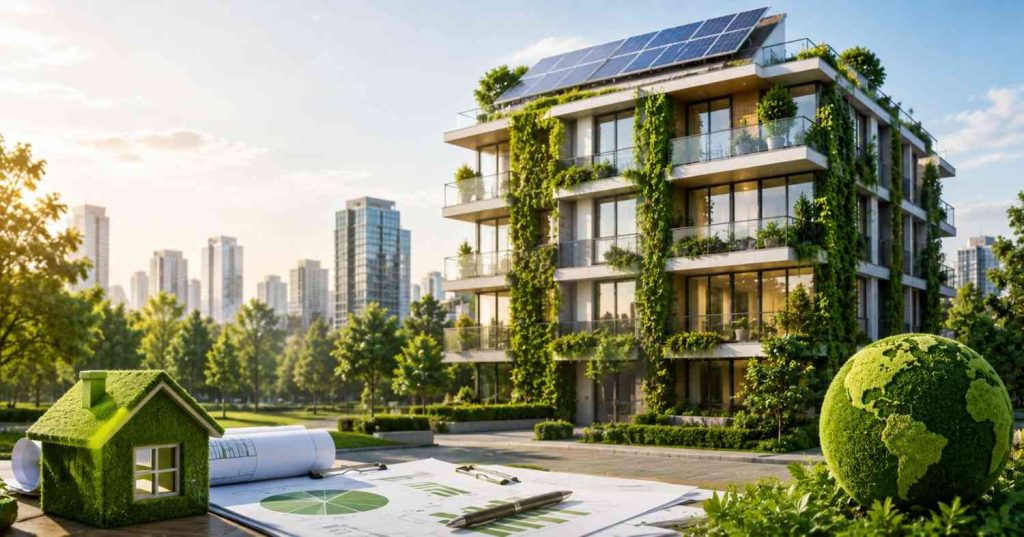
As sustainability becomes a growing priority for homeowners, businesses, and investors, green real estate has emerged as one of the fastest-growing sectors in the property market. From energy-efficient homes to environmentally friendly commercial buildings, green properties are attracting attention for their potential financial and environmental benefits.
But what exactly is green real estate, and is it a smart investment strategy? Understanding the advantages, challenges, and long-term value of sustainable real estate can help investors determine whether green properties deserve a place in their portfolios.
Understanding Green Real Estate Investments
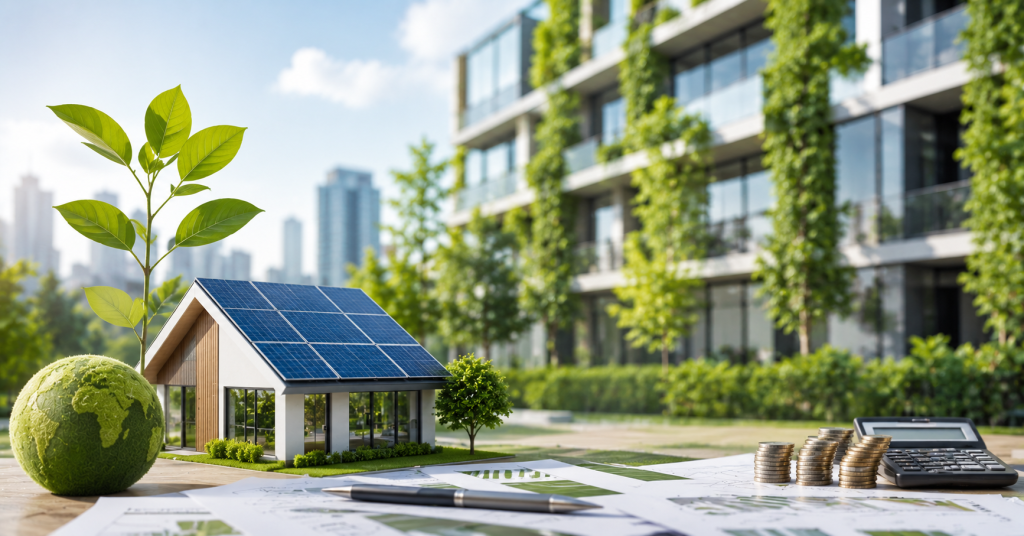
Green real estate refers to properties designed, built, or renovated to reduce environmental impact and improve energy efficiency. These properties often incorporate sustainable building materials, renewable energy systems, water conservation technologies, and environmentally responsible construction practices.
Examples of green real estate include energy-efficient homes, LEED-certified commercial buildings, net-zero energy properties, and developments that prioritize sustainability. These properties are designed to minimize resource consumption while creating healthier and more comfortable living and working environments.
Benefits of Investing in Sustainable Real Estate
One of the biggest advantages of sustainable real estate investing is reduced operating costs. Green buildings often use less energy and water, resulting in lower utility expenses for property owners and tenants. Over time, these savings can significantly improve investment returns.
In addition to cost savings, green properties often attract environmentally conscious buyers and renters. As demand for sustainable living increases, investors may benefit from higher occupancy rates, stronger tenant retention, and improved property values. Many markets are seeing increased demand for eco-friendly homes and energy-efficient commercial spaces.
Energy-Efficient Properties and Higher Property Values
Energy-efficient properties are becoming increasingly desirable among both residential and commercial buyers. Features such as solar panels, smart thermostats, energy-efficient windows, LED lighting, and high-performance insulation can make properties more attractive in competitive markets.
Research consistently shows that sustainable buildings often command higher sale prices and rental rates compared to traditional properties. Buyers and tenants recognize the long-term cost savings associated with lower utility bills and reduced maintenance expenses, making green real estate a potentially valuable asset.
Risks and Challenges of Green Property Investment
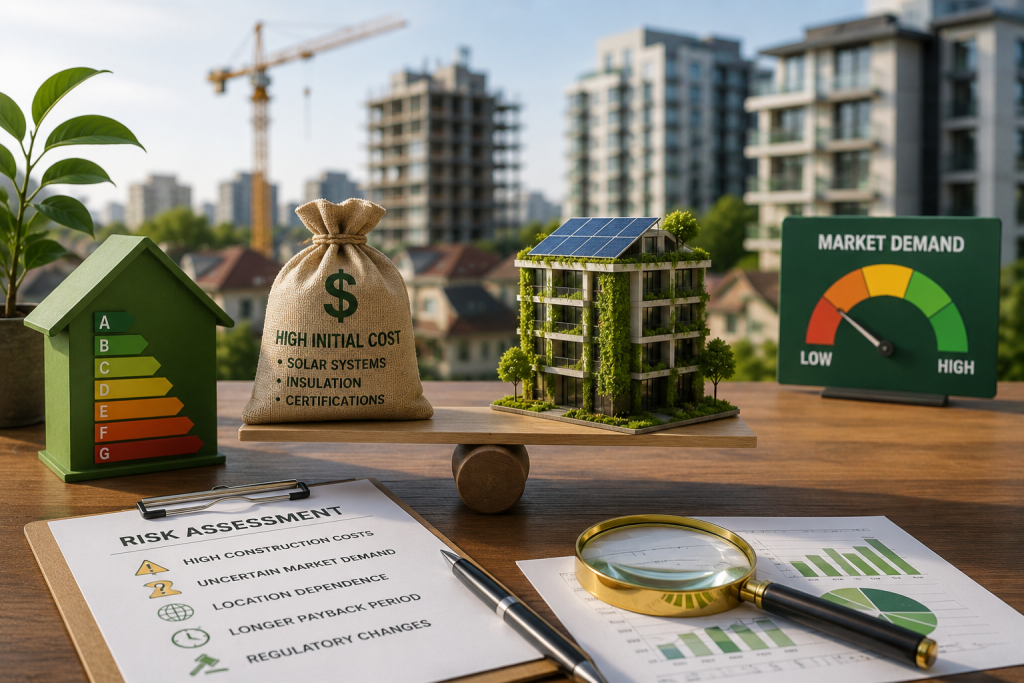
While green real estate offers numerous advantages, investors should also consider potential challenges. Sustainable building features and certifications can increase upfront construction or renovation costs. Installing solar systems, upgrading insulation, or obtaining green building certifications may require substantial initial investment.
Market demand for green properties can also vary by location. In some areas, buyers and renters may prioritize affordability over sustainability. Investors should carefully evaluate local market trends, tenant preferences, and economic conditions before investing in environmentally friendly real estate projects.
How Green Building Certifications Impact Investment Performance
Green building certifications can play a significant role in the success of sustainable real estate investments. Programs such as LEED (Leadership in Energy and Environmental Design), ENERGY STAR, and other sustainability certifications help validate a property’s environmental performance.
Certified properties often enjoy stronger marketability and greater credibility among buyers, tenants, and lenders. Many businesses actively seek certified office spaces to meet corporate sustainability goals, while homebuyers increasingly value environmentally responsible housing options. These certifications can help differentiate a property from competitors and enhance long-term investment performance.
Is Green Real Estate a Good Long-Term Investment?
For many investors, green real estate represents a compelling long-term opportunity. Rising energy costs, stricter environmental regulations, and growing consumer demand for sustainability continue to drive interest in eco-friendly properties. As governments and organizations prioritize environmental responsibility, green buildings may become even more valuable in the future.
However, like any investment, success depends on thorough research and market analysis. Investors should evaluate location, property condition, sustainability features, financing options, and projected returns before making a purchase. When selected carefully, green real estate can offer both financial rewards and positive environmental impact.
Key Reasons to Consider Green Real Estate Investing
Green real estate combines sustainability with long-term wealth-building potential. Investors who prioritize environmentally friendly properties may benefit from stronger demand, lower operating costs, and enhanced property values while contributing to a more sustainable future.
Benefits of Green Real Estate Investments
- Lower Utility Costs: Energy-efficient systems reduce electricity, heating, cooling, and water expenses.
- Higher Property Values: Sustainable properties often command premium sale prices and rental rates.
- Increased Tenant Demand: Many renters and buyers actively seek eco-friendly living and working spaces.
- Improved Occupancy Rates: Green buildings frequently experience stronger tenant retention and lower vacancy rates.
- Environmental Benefits: Sustainable properties reduce carbon emissions and conserve natural resources.
- Long-Term Growth Potential: Rising demand for sustainability may support continued appreciation and investment returns.
Green real estate is more than a trend—it’s an evolving investment strategy that aligns financial performance with environmental responsibility. For investors seeking long-term value, sustainable real estate may offer an attractive opportunity to generate returns while supporting a greener future.
Frequently Asked Questions
1. What is green real estate?
Green real estate refers to properties designed or upgraded to improve energy efficiency and reduce environmental impact.
2. Is green real estate a good investment?
Yes, green real estate can offer lower operating costs, higher property values, and strong long-term growth potential.
3. What features make a property environmentally friendly?
Common features include solar panels, energy-efficient appliances, smart systems, sustainable materials, and water-saving technologies.
4. Do green buildings have higher resale value?
Many green properties command higher resale values due to growing demand for sustainable and energy-efficient homes.
5. What are the benefits of investing in sustainable real estate?
Benefits include reduced utility costs, increased tenant demand, higher occupancy rates, and improved long-term returns.