
What Is a Split Level House? Everything You Need to Know

A Split Level House is a unique architectural style that gained popularity in the mid-20th century. Known for its staggered floor levels, this home design maximizes space while maintaining an open-concept feel. Split-level homes are often found in suburban neighborhoods and offer distinct zoning between living, sleeping, and recreational areas. Their design provides both privacy and functionality, making them a preferred choice for many homeowners.
Split-level homes became especially popular in the 1950s and 1960s, aligning with the post-war housing boom. As families sought affordable and efficient housing, this style provided a balance between space optimization and modern aesthetics. Today, split-level houses are still in demand for their adaptability and efficient use of land, particularly in areas with sloped terrain.
What Is a Split-Level House?
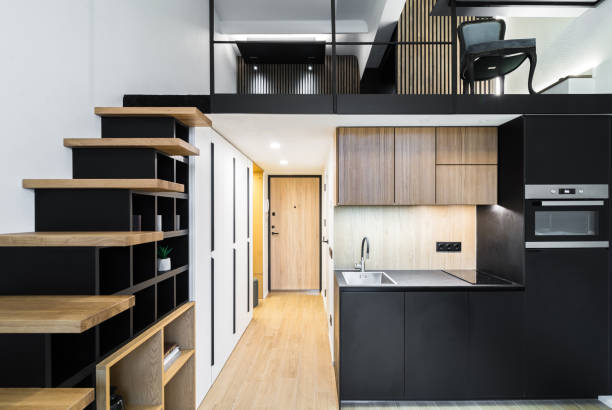
A Split Level House is a multi-story home where different sections of the house are positioned at varying heights and connected by short flights of stairs. Unlike traditional single-story or two-story houses, this design creates designated areas for specific functions—typically with living areas on the main level, bedrooms on the upper level, and a basement or recreational space below.
Split-level houses emerged in the 1950s and 60s as a response to the demand for affordable, spacious, and stylish homes. Their layouts are particularly effective on sloped land, allowing homeowners to maximize their lot space without extensive excavation.
One of the key advantages of split level house design is its ability to separate living areas without completely isolating different parts of the home. This design is ideal for families who want a balance between openness and privacy.
Split-Level Vs. Bi-Level Houses: The Difference
While often confused, split-level houses and bi-level houses are distinct in their design and structure:
-
Split-Level House: Features three or more levels that are staggered and connected by short staircases. Different living spaces are clearly defined, making it ideal for families who want designated areas for different activities.
-
Bi-Level House: Typically has two levels, with an entryway landing that leads to both an upper and lower floor. The upper level generally contains living spaces and bedrooms, while the lower level includes a basement or additional living area.
The main difference lies in the number of levels and their organization. Split-level house design is more intricate, offering better separation between spaces, whereas a bi-level home provides a more compact and simplified layout.
Types of Split-Level Houses: Side-Split, Back-Split & More
Split-level homes come in various styles, each with unique characteristics:
Side-Split
The house is divided into two sections, visible from the front. One half contains the main living areas, while the other half is stacked with bedrooms above and additional living space below.
Back-Split
Similar to a side-split, but the split is seen from the side rather than the front. The rear of the home extends downward, typically providing a walkout basement.
Stacked Split-Level
Features four or more levels, creating distinct areas for bedrooms, living rooms, and recreational spaces.
Split-Entry
Often confused with a bi-level home, this type has an entry landing between two staircases leading to separate levels.
Raised Ranch
A variation where the main living space is elevated, with a lower-level basement or garage beneath.
Each of these styles provides different benefits, allowing homeowners to choose a split level house design that best fits their lifestyle and needs.
Pros and Cons of Living in a Split-Level House
Pros:
-
Efficient Use of Space – The staggered design optimizes square footage without requiring a large footprint.
-
Privacy Between Rooms – Bedrooms and living areas are separated, reducing noise disturbances.
-
Distinct Living Zones – Ideal for families who want defined spaces for different activities.
-
Affordable Pricing – Split-level homes are often more affordable than newer multi-level constructions.
-
Ideal for Sloped Land – This design works well on uneven terrain, making it a practical choice for various landscapes.
-
Energy Efficiency – The separation of living areas allows better temperature control, potentially reducing heating and cooling costs.
-
Increased Storage Options – Many split-level homes have built-in storage areas in their lower levels, making them a practical choice for growing families.
Cons:
-
Stairs Can Be Inconvenient – The multiple levels mean more stair climbing, which may not be ideal for elderly individuals or those with mobility issues.
-
Harder to Renovate – The unique layout can make remodeling more challenging and costly.
-
Resale Challenges – Some buyers prefer traditional layouts, making split-level houses slightly harder to sell in certain markets.
-
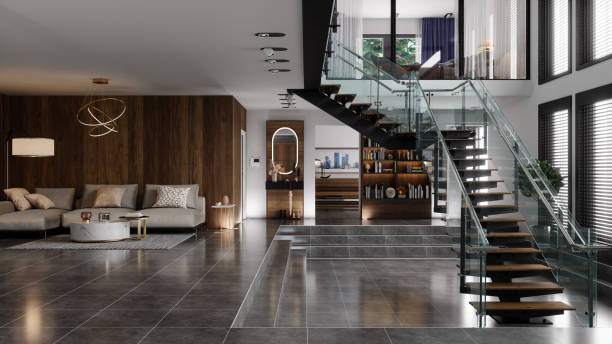
Less Open Floor Plan – Compared to modern home designs, split-levels tend to have more compartmentalized spaces.

Is a Split-Level House Right for You?
A split-level house design can be a great choice for families looking for distinct zones within their home. However, it’s important to consider lifestyle needs, mobility concerns, and future resale value. If you appreciate efficient space usage, architectural character, and affordability, a split-level home may be the perfect fit.
Some questions to ask yourself before buying a split-level home:
-
Do I mind using stairs frequently throughout the day?
-
Do I need separate spaces for various activities, like working from home or entertaining guests?
-
Am I looking for a unique architectural style that stands out from traditional single-level homes?
If you answer “yes” to most of these, a split-level house might be a perfect match!
Conclusion
If you’re considering purchasing or renovating a split-level house, it’s essential to evaluate your lifestyle needs and long-term goals. Whether you’re drawn to its affordability, distinct separation of spaces, or suitability for sloped lots, this home style remains a versatile option in the real estate market.
Dwanderful, led by real estate investor and podcast host Dwan Bent-Twyford, offers valuable resources for those interested in homeownership and investment. If you’re looking to expand your knowledge, you can get a free copy of “Real Estate Lingo” or purchase “Five Pillars of Real Estate Investing” for an in-depth guide to real estate success. Plus, test your potential to generate six figures in the next six months with Dwanderful’s interactive quiz game—it takes less than a minute!
Whether you’re buying your first property or your next, Dwanderful provides the knowledge and tools to help you achieve real estate success. Contact us now!
Frequently Asked Questions:
Why are split-level homes harder to sell?
Split-level homes can be harder to sell due to their unconventional layout, which some buyers may find less appealing compared to open-concept designs. Additionally, the multiple staircases can be a drawback for older buyers or those with mobility concerns.
How can I make my split-level house look better?
To enhance a split-level house design, consider open-concept renovations, modernizing the exterior with fresh paint and landscaping, and updating interior features such as flooring, lighting, and stair railings. Thoughtful design changes can significantly improve aesthetics and functionality.
How much does a split-level addition cost?
The cost of adding to a split-level home varies depending on factors such as square footage, materials, and labor costs. On average, an addition can range from $40,000 to $150,000, depending on whether you’re adding extra bedrooms, extending the living space, or modifying the layout.
With these insights, you’ll have a clear understanding of what makes split-level homes unique and whether they are the right choice for you!