
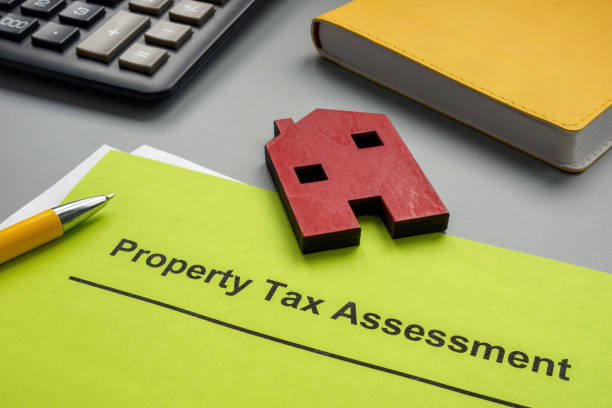
A property tax assessment is an official estimate of a property’s value used by local governments to calculate property taxes. It ensures taxes are distributed fairly based on market conditions, property features, and local regulations, helping fund local services equitably.
Property tax assessments are a fundamental part of homeownership and real estate investing, yet they often cause confusion among property owners. When a notice arrives in the mail listing your property’s assessed value, it can trigger questions: Why did this value change? How is it calculated? What does it mean for my tax bill?
At its core, a property tax assessment is an official method for governments to determine how much each property contributes to public services. This includes schools, fire departments, police, parks, and infrastructure. Assessments are particularly important because they establish fairness in taxation, properties with higher values typically pay more, while those with lower values pay less.
Understanding what is tax assessment on property not only helps you anticipate your tax obligations but also equips you to make informed decisions if you’re buying, selling, or investing in real estate.
What Is a Property Tax Assessment?
A property tax assessment is essentially a valuation assigned to a property for the purpose of taxation. This value forms the basis for calculating your annual property taxes. While it may seem similar to a market appraisal, there are key differences: assessments are conducted by local authorities and follow standardized rules, rather than being influenced by individual buyer or seller negotiations.
Assessments are meant to be consistent and objective. They consider factors such as location, size, condition, and improvements, among others. For example, a well-maintained house in a growing neighborhood will generally have a higher assessed value than a similar house in a less developed area.
When homeowners ask what is tax assessment on property, the answer is that it’s the government’s official way to assign a monetary value to your property for taxation purposes. This value ensures local governments can fairly distribute the tax burden across the community.

Why Property Tax Assessments Exist
Property tax assessments serve multiple purposes. First, they establish fairness in taxation. Without assessments, taxes could be arbitrary, with some property owners paying more than their fair share while others pay less. Assessments help ensure that taxes reflect actual property values, maintaining equity across neighborhoods and property types.
Second, assessments provide reliable funding for local services. Property taxes are a primary revenue source for schools, roads, libraries, emergency services, and local government operations. Accurate assessments help municipalities plan budgets and allocate resources efficiently.
Finally, assessments allow local governments to track changes in property values over time. As neighborhoods develop and property markets fluctuate, assessments help adjust tax responsibility so that it remains proportionate. This is why even if you haven’t made any improvements to your property, your assessment might change, market conditions can significantly influence your tax obligation.
Who Conducts Property Tax Assessments?
Role of Local Assessors
Property tax assessments are conducted by local government officials, commonly known as assessors or appraisal district officers. These professionals are trained to evaluate properties consistently and accurately. They follow strict guidelines that ensure similar properties are treated the same, regardless of ownership.
Independence and Oversight
Assessors usually operate independently of tax collection offices. This separation helps maintain objectivity, preventing conflicts of interest. In many areas, assessment processes are reviewed or audited to ensure fairness, accuracy, and compliance with local and state regulations.
How Property Tax Assessments Work
Step 1: Property Data Collection
The assessment process begins with detailed data collection. Assessors gather information about each property, including square footage, number of rooms, lot size, construction type, age, condition, and any improvements or renovations. Public records, building permits, and on-site inspections may also be used.
Step 2: Valuation Methods
Assessors typically rely on three primary methods to determine property value:
- Sales Comparison Approach – Evaluates the sale prices of similar properties in the neighborhood. This is common for residential properties.
- Cost Approach – Estimates how much it would cost to rebuild the property from scratch, minus depreciation. This approach is often used for newer constructions.
- Income Approach – Primarily used for rental or commercial properties, this method calculates value based on potential income generation.
By combining these approaches, assessors can create an accurate and fair valuation.
Step 3: Notification and Review
Once the assessment is completed, property owners are notified of the new value. Most jurisdictions provide a period for review and appeal. During this time, homeowners can compare their assessment to similar properties, check for errors, and submit documentation if they believe the value is inaccurate. Appeals ensure transparency and give property owners a chance to correct mistakes before taxes are finalized.

Factors That Affect a Property Tax Assessment
Several elements influence how properties are assessed:
Location
Properties in highly desirable neighborhoods or near schools, parks, and transport hubs often receive higher valuations than similar homes in less accessible areas.
Physical Characteristics
Size, number of bedrooms and bathrooms, condition, age, and layout all play a significant role. For example, adding a new kitchen or bathroom can increase your property’s assessed value.
Market Conditions and Zoning
Changes in the real estate market, nearby development projects, and zoning regulations can impact assessments even if the property itself hasn’t changed. For instance, if a neighborhood becomes popular and comparable homes sell for higher prices, your assessment may rise accordingly.
Property Type
Residential, commercial, and industrial properties may be assessed differently, with specific methods tailored to their use and income potential.
How Property Tax Assessments Affect Your Tax Bill
Once your property’s assessed value is determined, it is multiplied by the local tax rate to calculate your annual tax bill. This means higher assessed values generally result in higher taxes. However, increases are not always a negative indicator; they often reflect rising property values and growing equity.
Many jurisdictions also offer tax exemptions, caps, or relief programs. For example, homestead exemptions for primary residences may lower taxable value, and senior citizen or veteran programs may provide additional reductions. Understanding how your assessment translates into actual taxes can help you plan finances and, if necessary, prepare for appeals.

Conclusion
Property tax assessments are essential to property ownership and investing. Knowing what is tax assessment on property, how values are determined, and how they influence your tax bill equips you to make informed financial decisions.
For investors and homeowners seeking to grow wealth through real estate, education is critical. Dwanderful, led by real estate investor and podcast host Dwan, provides practical resources to simplify complex concepts, including taxes, valuations, and strategic investing.
Dwan offers a free book, Real Estate Lingo, which breaks down real estate terminology in plain, understandable language. For those ready to dive deeper, there’s a paid guide, Five Pillars of Real Estate Investing, outlining key strategies to build sustainable income. Additionally, a quick quiz game lets you discover how you could potentially generate six figures in the next six months, whether buying your first property or your next investment. It takes less than a minute and naturally connects to understanding property assessments and their role in real estate success. Contact us now!
Frequently Asked Questions
Can my property tax assessment change even if I haven’t made improvements?
Yes. Market fluctuations, neighborhood development, and nearby property sales can influence your assessment even if your property itself hasn’t changed.
Does a property tax assessment mean my home is being sold or appraised?
No. It’s strictly for taxation purposes and does not indicate a sale or private appraisal.
Is a higher property tax assessment always a bad thing?
Not always. A higher assessment may reflect increased property value, which can enhance equity and future resale potential.
Are property tax assessments the same for residential and commercial properties?
The principles are similar, but valuation methods differ. Commercial properties often rely more on income potential than residential properties.
What should I do if my property tax assessment seems inaccurate?
Review the details carefully, compare similar properties in your area, and file an appeal within the allowed timeframe if you find discrepancies.