

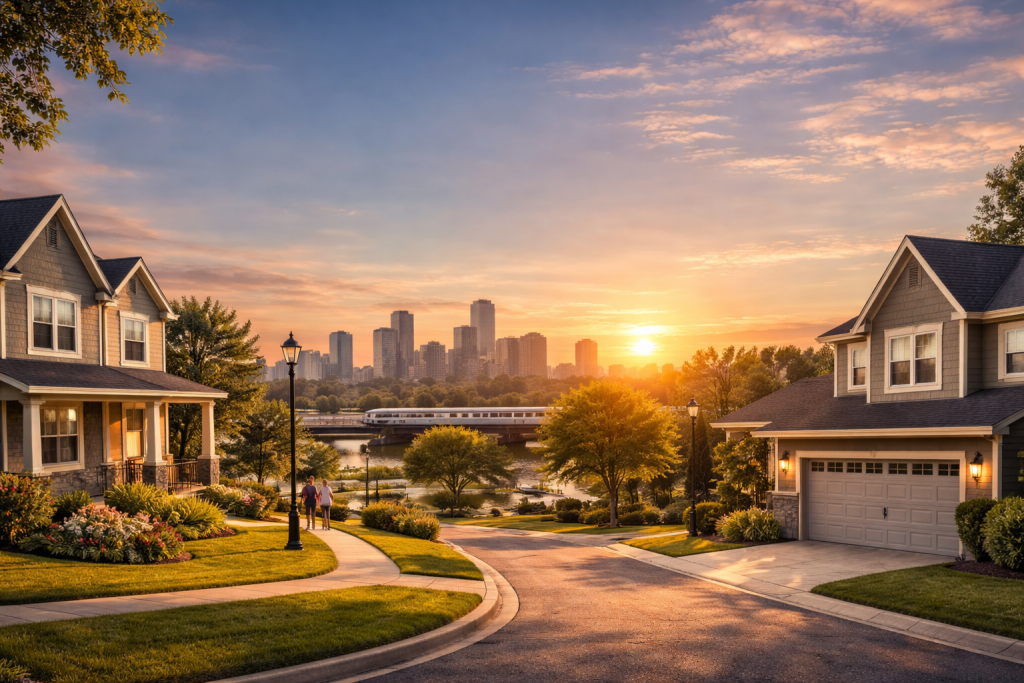
The real estate market in 2026 is undergoing a major shift as buyer expectations continue to evolve. Today’s homebuyers are no longer focused solely on price and location—they are prioritizing lifestyle, technology, sustainability, and long-term value. Changing work patterns, economic factors, and modern living preferences are reshaping what people look for in a home.
For real estate professionals, investors, and sellers, understanding these trends is essential to staying competitive. Let’s explore what buyers want in 2026 and the key trends influencing home demand.
Smart Home Features and Technology Trends in Real Estate 2026
One of the biggest trends shaping home demand in 2026 is the rise of smart home technology. Buyers now expect homes to come equipped with modern, connected features that enhance convenience and security.
Popular smart features include automated lighting, smart thermostats, voice-controlled systems, and advanced home security. These technologies allow homeowners to control their environment remotely, improving both comfort and efficiency.
In addition, smart homes help reduce energy consumption, making them both cost-effective and environmentally friendly. As a result, properties with built-in technology are becoming more attractive and often sell faster than traditional homes.
Sustainable Homes and Energy-Efficient Housing Trends 2026
Sustainability is no longer optional—it is a major factor influencing purchasing decisions. Buyers in 2026 are increasingly conscious of their environmental impact and long-term utility costs.
Homes with energy-efficient appliances, solar panels, proper insulation, and eco-friendly construction materials are in high demand. These features not only reduce monthly expenses but also contribute to a healthier living environment.
Green buildings are becoming a standard expectation rather than a luxury. Developers and sellers who prioritize sustainability are more likely to attract modern buyers looking for long-term value.enovation costs carefully and ensure the property still has enough profit margin after expenses.
Remote Work Impact on Home Buying Trends 2026
The rise of remote and hybrid work has permanently changed how people evaluate homes. Buyers now prioritize properties that support productivity and work-life balance.
Dedicated home offices, quiet spaces, and reliable high-speed internet are essential features. Many buyers are also looking for homes with flexible layouts that can adapt to both professional and personal needs.
This shift has also reduced the importance of living close to city centers, allowing buyers to explore more spacious and affordable options in suburban or semi-urban areas.roperty flipping tips often emphasize focusing on renovations that attract buyers without overspending.
Suburban Living and Location Preferences in 2026 Real Estate Market
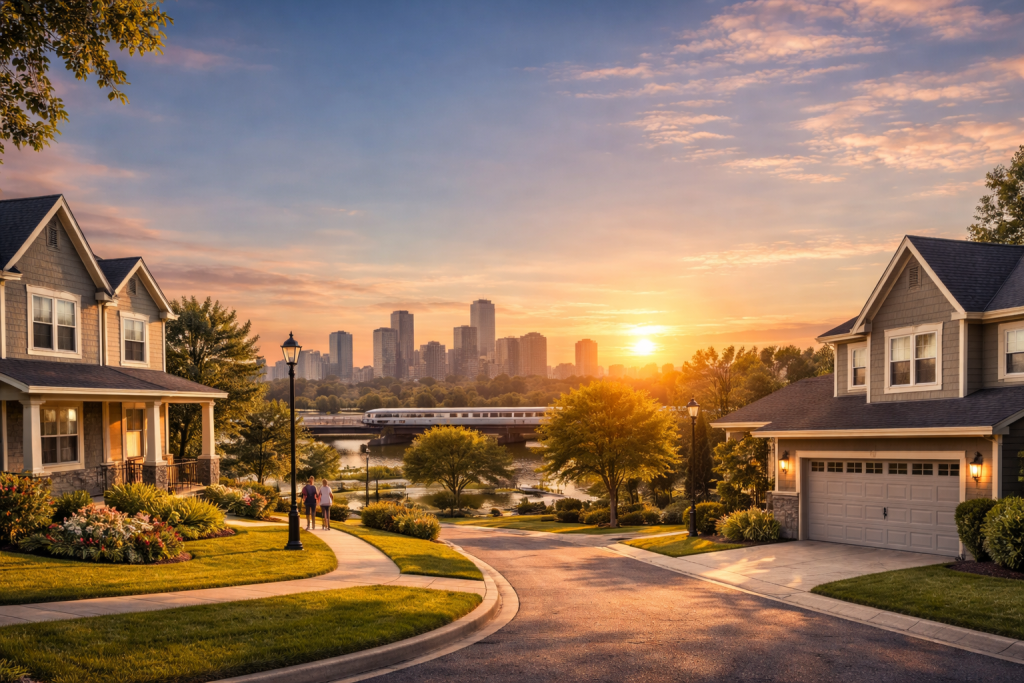
Location remains a key factor, but buyer preferences have evolved significantly. Instead of crowded urban centers, many buyers are now choosing suburban and Tier-2 locations.
These areas offer larger homes, better affordability, and improved quality of life. Access to green spaces, less congestion, and better work-life balance are driving this trend.
At the same time, connectivity remains important. Buyers still want easy access to schools, healthcare, and transportation, but they are willing to trade shorter commutes for more space and comfort.
Lifestyle-Oriented Homes and Emotional Buying Trends
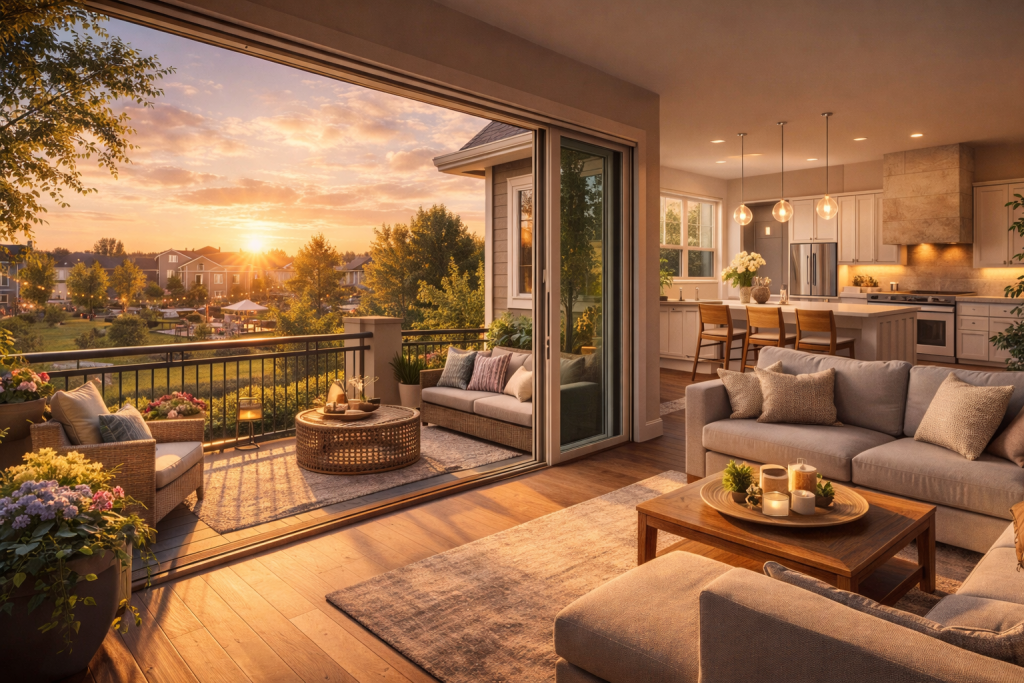
Modern homebuyers are increasingly making decisions based on lifestyle and emotional satisfaction. A home is no longer just an investment—it is a personal space that should enhance daily living.
Features like open floor plans, natural lighting, balconies, gardens, and community amenities are becoming essential. Buyers want homes that provide comfort, relaxation, and a sense of well-being.
This concept of “emotional ROI” is driving demand for homes that offer more than just functionality. Properties that create a strong emotional connection are more likely to stand out in a competitive market.
Affordable Housing and Budget-Friendly Home Demand 2026
Affordability continues to be a major concern for buyers, especially with rising property prices and interest rates. Many buyers are now looking for cost-effective solutions without compromising on essential features.
This has led to increased demand for smaller, well-designed homes that maximize space and functionality. Flexible payment plans, financing options, and value-driven properties are also gaining attention.
Developers who can balance affordability with modern features are better positioned to attract today’s budget-conscious buyers.
What Buyers Want in 2026: Key Trends Changing Home Demand
- Buyers prefer smart homes with advanced technology and automation features
- Energy-efficient and sustainable homes are becoming a top priority
- Remote work is increasing demand for dedicated home office spaces
- Suburban and Tier-2 locations are gaining popularity over city centers
- Lifestyle-focused homes with emotional appeal are driving buying decisions
- Affordable, value-driven properties are in high demand due to rising costs
Frequently Asked Questions
1. What do home buyers want most in 2026?
Buyers in 2026 prioritize smart technology, energy efficiency, and modern living spaces. They are also focused on comfort, convenience, and long-term value.
2. Are smart homes important for buyers in 2026?
Yes, smart home features like automation and security systems are highly desirable. They improve convenience, safety, and energy efficiency for homeowners.
3. Why are suburban areas popular in 2026 real estate trends?
Suburban areas offer more space, affordability, and better work-life balance compared to cities.
4. How has remote work changed home buying trends?
Remote work has increased demand for homes with dedicated office spaces. Buyers now prefer flexible layouts that support both work and daily living.
5. Are buyers focusing more on lifestyle than price in 2026?
Yes, buyers are placing more importance on lifestyle, comfort, and design. However, affordability still plays a key role in final decision-making.