


Buying a property is one of the most significant financial decisions a person can make. It’s not just about finding a roof over your head, it’s about making a sound investment for the future. One of the most critical steps in this process is knowing how to make an offer on a property. The way you approach your offer can be the difference between securing your dream home or watching it slip through your fingers. While the process may seem intimidating at first, understanding each step can make it much smoother and less stressful. This guide walks you through the entire process, from research to closing, so you can confidently make your move.
How to Make an Offer on a Property in 15 Steps
Making an offer on a property involves careful planning, research, and strategy. A well-prepared offer not only shows the seller that you are serious but also maximizes your chances of success. Here’s a step-by-step breakdown:
1. Research the Local Market
Before you make an offer, it’s essential to understand the local real estate market. Look at recent sales of similar properties in the neighborhood, note the average prices, and observe any trends. Is it a seller’s market where competition is fierce, or a buyer’s market where there’s room to negotiate? Knowing this helps you decide on a competitive yet reasonable offer. For instance, if similar homes are selling above the listed price, offering the asking price, or slightly higher, may be necessary to secure the property.
2. Evaluate Your Budget
Knowing how much you can afford is crucial. Start by reviewing your finances, including your savings for a deposit, anticipated closing costs, and any additional expenses like property inspections or renovations. Also, consider your monthly mortgage payments in relation to your income. By setting a clear budget, you avoid overextending yourself, which could lead to financial strain later on.
3. Get Pre-Approved for a Mortgage
A mortgage pre-approval is a critical step in the property-buying process. A pre-approval letter from your lender demonstrates to the seller that you are financially capable of completing the purchase. It also shows that you are a serious buyer, which can make your offer more appealing compared to other buyers who haven’t secured financing yet. Pre-approval involves submitting financial documents, such as proof of income, credit history, and savings, so lenders can determine the loan amount you qualify for.
4. Understand the Seller’s Motivation
Every seller has a unique reason for putting their property on the market. Are they relocating for work, downsizing, or trying to sell quickly due to financial pressure? Understanding the seller’s motivation can help you tailor your offer to meet their needs. For example, if a seller is in a hurry to move, offering a quicker closing date may make your bid more attractive, even if the price is slightly lower than their asking price.

5. Work with a Real Estate Agent
A skilled real estate agent is invaluable when it comes to how to make an offer on a property. They provide insights into market conditions, help determine a competitive offer price, and guide you through the negotiation process. Additionally, agents are familiar with legal requirements and paperwork, which reduces the risk of mistakes that could delay or jeopardize the deal.
6. Decide on Your Offer Price
Choosing the right offer price requires balancing market research, your budget, and the property’s perceived value. Avoid making an offer that’s too low, as it may offend the seller and reduce your chances of negotiation. On the other hand, overbidding could lead to financial strain. Consider starting slightly below the market value if the property is overpriced, but always leave room for negotiation.
7. Include Contingencies
Contingencies are conditions that protect you as a buyer. They allow you to back out or renegotiate if certain criteria are not met. Common contingencies include:
- Home inspection contingency: Ensures that you can request repairs or withdraw your offer if significant issues are found.
- Financing contingency: Protects you if your mortgage is not approved.
- Appraisal contingency: Ensures the property is valued at or above the purchase price.
- Sale contingency: Allows you to buy a new home only if you sell your current property.
Including appropriate contingencies gives you peace of mind and reduces the risk of unexpected complications after signing the contract.
8. Consider Writing a Personal Letter
In a competitive market, adding a short, personal letter to the seller can make your offer stand out. Express why you love the property and how you envision living there. While not required, this personal touch can appeal to the seller’s emotions and tip the scales in your favor, especially if multiple offers are on the table.
9. Decide on the Deposit Amount
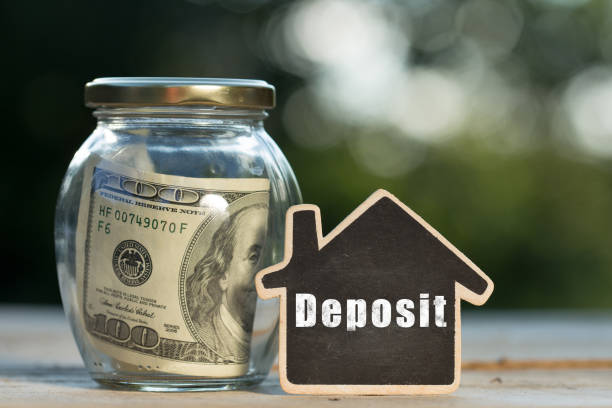
The deposit, sometimes called earnest money, demonstrates your commitment to purchasing the property. A higher deposit can make your offer stronger, as it shows financial seriousness and reduces the perceived risk for the seller. Typically, the deposit is held in escrow until the sale closes, after which it’s applied toward your down payment.
10. Submit Your Offer in Writing
All offers should be submitted formally in writing. Your real estate agent will usually draft this using a standard contract template. The offer should outline:
- The price you’re willing to pay
- Deposit amount
- Any contingencies
- Proposed closing date
A written offer ensures clarity and creates a record for both parties to reference during negotiations.
11. Be Ready to Negotiate
Rarely does the first offer become the final agreement. Sellers often make counteroffers, and negotiations may involve the purchase price, contingencies, closing dates, or repairs. Be flexible but know your limits, set your maximum price and stick to it to avoid overpaying. Negotiation is a delicate balance between securing the property and protecting your financial interests.
12. Review the Contract Carefully
Once the seller accepts your offer, you’ll enter the contract phase. Carefully review every detail to ensure that the terms match what was agreed upon during negotiations. Verify contingencies, deadlines, and other critical elements. Consulting a real estate lawyer at this stage can help you avoid legal pitfalls and ensure everything is properly documented.
13. Conduct Inspections and Appraisals
Schedule inspections and appraisals promptly. A professional home inspection can uncover structural, electrical, plumbing, or roofing issues that may require repair. Similarly, an appraisal confirms the property’s market value and ensures your lender is financing a fair amount. If significant problems are discovered, you can renegotiate with the seller or, in some cases, withdraw your offer without losing your deposit.
14. Finalize Your Financing
After inspections and appraisals, finalize your mortgage. This step involves providing any remaining documents to your lender and receiving final loan approval. Make sure all fees, insurance, and other requirements are in place well before the closing date.
15. Close the Deal
Closing is the final step, where you officially become the property owner. You’ll sign all necessary documents, pay the remaining balance and closing costs, and receive the keys to your new home. It’s an exciting milestone, and following the previous steps ensures you’re fully prepared for this moment.

Final Thoughts
Mastering how to make an offer on a property is about more than just selecting a number, it’s about preparation, timing, and strategy. Each step, from researching the market to finalizing your financing, plays a crucial role in increasing your chances of securing your ideal property.
For those seeking expert guidance, Dwanderful is a real estate investor and podcast host dedicated to helping homeowners and investors navigate the property market. Dwan, the founder of Dwanderful, provides invaluable resources such as a free book titled Real Estate Lingo and a paid guide called Five Pillars of Real Estate Investing. These resources are packed with actionable tips to help you make smarter property decisions, whether it’s your first home or your next investment.
Additionally, Dwanderful features a fun and interactive quiz game where you can discover how you could generate six figures in the next six months, perfect for anyone curious about building wealth through real estate. The quiz takes less than a minute and helps you identify strategies tailored to your unique situation, whether you’re buying your first property or adding to your portfolio.
By combining knowledge, strategy, and the right resources, you can confidently navigate the property buying process and make offers that stand out in today’s competitive market. Contact us now!
Frequently Asked Questions
How much to offer on a house?
Offer amounts depend on your research, the property’s value, and your budget. Analyze comparable properties in the area to determine a competitive offer. Including contingencies can also provide additional protection if the price is contested.
How long does a seller usually take to respond to an offer on a property?
Sellers typically respond within 24 to 72 hours. However, response times can vary depending on market activity, the seller’s schedule, and the number of offers received.
What is the difference between an offer and a contract in property buying?
An offer is a proposal to buy a property under specific terms. Once the seller accepts your offer and both parties sign the agreement, it becomes a legally binding contract.
Can I negotiate the price after submitting an offer on a property?
Yes, negotiation is common. You can discuss counteroffers, contingencies, or repairs. Keep in mind that once a contract is signed, any changes usually require mutual agreement between both parties.