

Buying or selling a home is one of the biggest financial decisions most people make, and it’s not something you want to do alone. That’s where a skilled real estate agent comes in. But what makes a good real estate agent? It’s not just about knowing how to close a deal, it’s about being an expert guide, a savvy negotiator, and, most importantly, a trustworthy partner in one of life’s biggest transitions.
A good real estate agent blends local market knowledge with people skills. They understand neighborhoods, home values, and what makes buyers tick. Yet, beyond statistics and listings, they connect with clients on a personal level, listening carefully to what you need, what you can afford, and what your dream home really looks like.
An exceptional agent goes beyond showing homes or placing ads. They help you strategize. Whether it’s setting the right asking price, knowing when to make an offer, or spotting potential issues before inspection day, the right agent anticipates challenges before they become problems. They bring professionalism, confidence, and empathy, making you feel informed and supported from your first meeting to the final signature.
Why Choosing the Right Real Estate Agent Matters
Many people underestimate how much difference the right agent can make. A real estate transaction is not simply about exchanging property, it’s about timing, negotiation, and trust. When you’re buying, a knowledgeable agent helps you avoid overpriced listings and ensures you don’t fall into emotional decision-making. When you’re selling, they know how to attract qualified buyers, stage your property effectively, and price it for maximum profit.
Working with a strong agent can:
- Save you money. Skilled agents know how to spot overvalued properties, negotiate repair credits, and identify fair market value so you don’t overpay or undersell.
- Save you time. They handle calls, paperwork, and showings, ensuring you can focus on your move instead of juggling details.
- Provide peace of mind. The best agents act as your advocate, protecting your interests and ensuring every document, contract, and agreement is accurate and fair.
- Open doors to hidden opportunities. Many top agents have access to off-market listings or early alerts on new properties, giving you a competitive edge.
On the flip side, choosing the wrong agent can lead to delays, missed opportunities, and unnecessary stress. Some agents may lack communication, push their own agenda, or fail to deliver results. That’s why learning how to choose the right real estate agents is essential if you want a smooth and successful experience.

Key Qualities to Look for in a Real Estate Agent
When evaluating agents, it’s not enough to choose someone because they’re a friend of a friend or have the most billboards around town. Instead, focus on qualities that directly impact your buying or selling experience.
1. In-Depth Local Knowledge
The best agents know their communities intimately, down to street-level trends. They can tell you which neighborhoods are up-and-coming, which school districts attract families, and what amenities can influence property values. This knowledge helps you make confident, informed decisions that align with your goals.
2. Strong Communication Skills
Buying or selling a home involves a lot of moving parts. You’ll want an agent who’s responsive, transparent, and proactive about keeping you informed. Good communication prevents misunderstandings and builds trust, two things you’ll need when negotiations get intense.
3. Proven Track Record
Experience matters. Ask about their recent transactions and success stories. A proven track record shows not only skill but also consistency in achieving client satisfaction. Look for agents who have experience in your specific market, first-time buyers, luxury homes, investment properties, or commercial deals.
4. Negotiation Expertise
Real estate is a negotiation game. A seasoned agent knows how to read situations, identify leverage, and advocate for you without jeopardizing the deal. Whether negotiating price, repairs, or closing timelines, their expertise could save you thousands of dollars.
5. Integrity and Transparency
You’re trusting an agent with one of your biggest financial assets. A good agent will be honest about the market, even if it means telling you something you don’t want to hear. They won’t pressure you into decisions for their benefit, but instead guide you based on what’s best for your situation.
6. Adaptability and Tech Savvy
Modern real estate thrives on technology, virtual tours, online listings, and digital signatures. An agent who embraces innovation can market properties more effectively and make your experience seamless from anywhere.

How to Research and Compare Real Estate Professionals
Finding an agent who fits your goals takes time, but it’s worth the effort. Here’s how to approach it strategically:
1. Check Credentials and Licensing
Before anything else, confirm that the agent is licensed and in good standing with your state’s real estate commission. You can verify their credentials online. Agents who belong to the National Association of Realtors (NAR) also follow a strict code of ethics, an extra layer of assurance.
2. Read Reviews and Testimonials
Online reviews on platforms like Zillow, Realtor.com, or Google can reveal how agents interact with clients. Pay attention to patterns in feedback, whether people mention professionalism, responsiveness, or successful outcomes.
3. Ask for Referrals
Your friends, family, or colleagues can be great sources of referrals. They’ll give you honest feedback about their experiences and whether they’d work with that agent again.
4. Interview Multiple Agents
Don’t feel obligated to work with the first person you meet. Interview at least three agents. Ask about their strategy, experience in your price range, and communication methods. Comparing answers gives you insight into who’s the best fit for your needs.
5. Assess Compatibility and Chemistry
Finally, trust your instincts. You’ll be spending a lot of time communicating with your agent, so it’s essential to feel comfortable and confident with them. The right agent should make you feel heard, supported, and never rushed.

Final Thoughts
Choosing the right real estate agent can determine whether your buying or selling experience is smooth, profitable, and stress-free, or filled with regret. The best agents are more than salespeople; they’re educators, problem-solvers, and advocates who put your goals first.
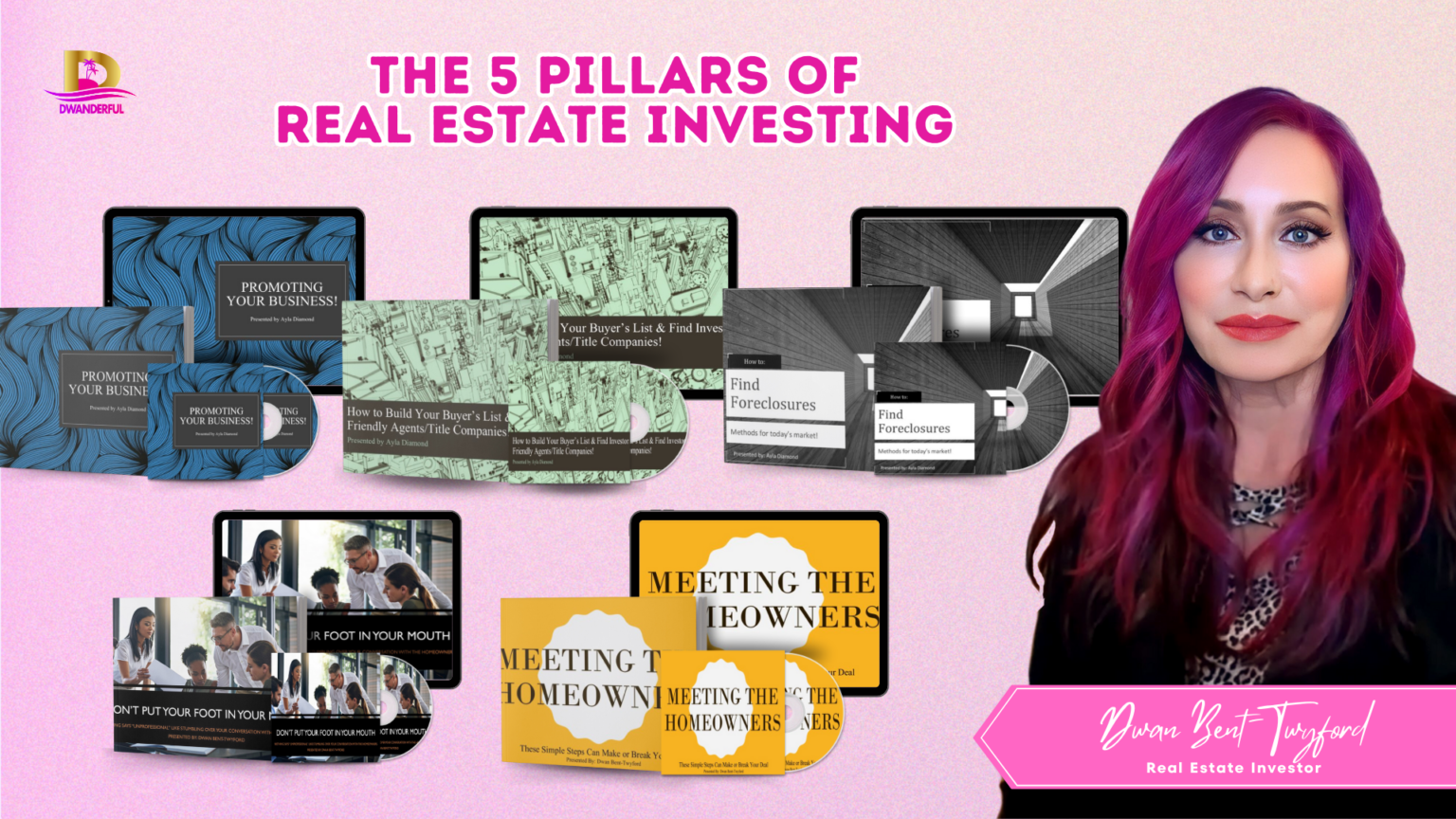
If you’re ready to begin your real estate journey or want to sharpen your investing skills, Dwanderful is the perfect place to start. Founded by Dwan Bent-Twyford, a seasoned real estate investor, mentor, and podcast host, Dwanderful is dedicated to helping individuals achieve financial independence through real estate.
Dwan’s resources are tailored for everyone, from beginners to seasoned investors. Her free book, Real Estate Lingo, helps demystify industry jargon, empowering you to understand contracts, negotiations, and conversations like a pro. For a deeper dive, her paid book, Five Pillars of Real Estate Investing, breaks down the proven steps to building sustainable wealth through property investment.
And if you’re curious about your own potential, take Dwanderful’s fun and insightful quiz game that reveals how you could generate six figures in the next six months, whether you’re buying your first home or your next investment property. It only takes a minute, and it might just change how you see your financial future. Contact us now!
Frequently Asked Questions
1. How do I know if a real estate agent is licensed and trustworthy?
You can verify an agent’s license through your state’s real estate regulatory website. Look for certifications, professional memberships like NAR, and consistent client testimonials. A trustworthy agent is transparent about their background and open to sharing references.
2. What’s the difference between a buyer’s agent and a seller’s agent?
A buyer’s agent represents the homebuyer, focusing on finding the right property and negotiating the best deal. A seller’s agent, or listing agent, represents the homeowner, aiming to sell quickly and for top dollar. Both roles have different objectives, so make sure you choose the right type based on your needs.
3. Should I work with a real estate agent or try selling/buying on my own?
While it’s possible to go solo, the process can be overwhelming. Agents bring expertise, market access, and negotiation skills that can save time and money. Most people find that hiring an agent more than pays for itself through better deals and fewer mistakes.
4. How many agents should I interview before choosing one?
Interview at least three agents before deciding. This gives you a sense of different communication styles, marketing strategies, and personalities. Don’t rush, take time to compare and ask follow-up questions.
5. What questions should I ask during the first meeting with a real estate agent?
Some key questions include:
- How long have you been in real estate?
- What areas do you specialize in?
- How will you market my home or find properties that match my goals?
- What’s your commission structure?
- How do you handle multiple clients at once?
By taking the time to evaluate, compare, and connect with the right professional, you’ll not only make smarter property decisions, you’ll also gain peace of mind knowing you have an expert on your side every step of the way. That’s the power of learning how to choose the right real estate agents, and that’s the first step toward achieving your real estate dreams.