

Interest rates are one of the most powerful forces shaping the real estate market — yet many investors underestimate just how directly they affect every dollar earned or lost on a property. Whether you’re a seasoned landlord, a first-time buyer, or someone building a long-term portfolio, understanding the relationship between interest rates and real estate investment returns is not optional — it’s essential. When borrowing costs shift, they ripple across property values, financing expenses, rental demand, and overall profitability in ways that can make or break a deal.
In 2026, this conversation is more relevant than ever. With the Federal Reserve expected to continue cutting rates into mid-2026, reaching a median outlook of 3.25 to 3.50 percent by year end, borrowing conditions are becoming more supportive for investors. For anyone with money in real estate — or thinking about putting money in — now is the time to understand exactly how rising and falling interest rates shape your returns.
How Rising Interest Rates Reduce Real Estate Investment Returns
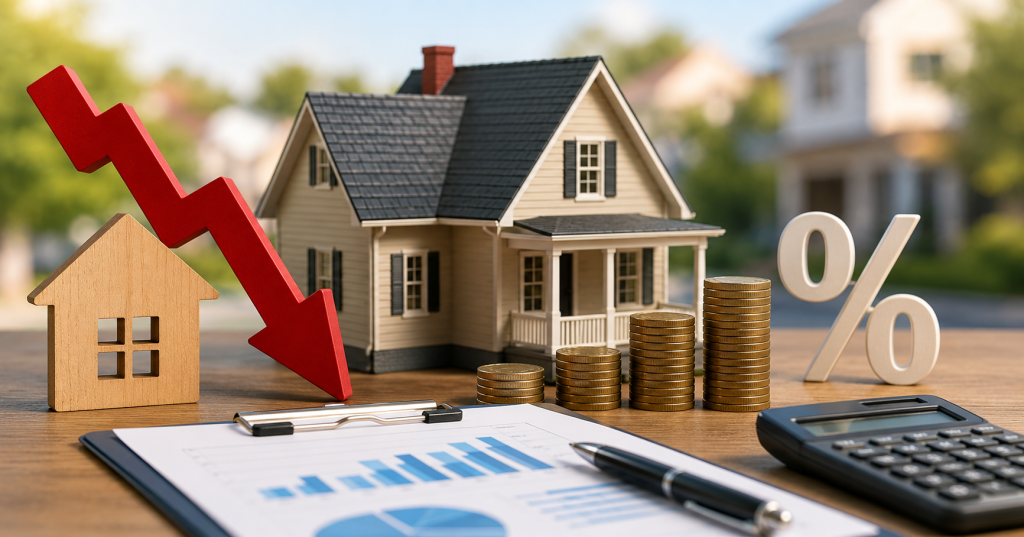
When interest rates climb, the first place investors feel the impact is in their financing costs. Higher interest rates increase the cost of financing, making mortgages and other loans more expensive — and this increased cost typically dampens buyer demand. For an investor carrying a variable-rate loan or refinancing an existing property, even a 1% increase in the rate can meaningfully reduce monthly cash flow and shrink profit margins over the life of the loan.
Beyond financing costs, rising rates put downward pressure on property values. When interest rates go up, higher borrowing costs make it tougher for buyers to finance their purchases, which can cool down demand and lead to lower property prices. For investors relying on property appreciation as a core component of their return on investment, a rate-driven slowdown in values can significantly delay or diminish the profits they were counting on.
How Falling Interest Rates Boost Real Estate Investment Profitability
Lower interest rates are generally good news for real estate investors, and the numbers back this up. Since 2016, periods of easing or stable rates have generally coincided with rising REIT values — and when rates declined sharply in 2020, REIT performance rebounded quickly following the initial shock, with gains accelerating again during the low-rate environment of 2021. Cheaper borrowing means investors can acquire more properties with lower monthly obligations, improving cash flow and making income-producing assets far more attractive.
Lower interest rates improve investor returns by reducing financing costs, which allows investors to allocate more of their budget to property improvements or other aspects of their investment. This creates a compounding advantage — better cash flow, more capital for value-add improvements, and stronger appreciation potential — all working together. Investors who understand how to finance real estate investments can position themselves to move quickly and decisively when rates drop.
Smart Real Estate Investment Strategies When Interest Rates Are Volatile

Navigating a shifting rate environment requires more than just watching the Federal Reserve’s announcements — it requires a proactive investment strategy built for flexibility. Investors, homeowners, lenders, and developers are all adjusting to a new financial environment where money is no longer cheap, and some experts believe the market is simply entering a healthier and more sustainable phase. Investors who adapt their approach during volatile periods consistently outperform those who stay rigid.
The most successful real estate investors treat interest rate cycles as opportunities, not obstacles. Those who lock in favorable financing, stress-test their deals at multiple rate scenarios, and diversify across property types are far better positioned to protect and grow their wealth. Reviewing top real estate investment strategies can help you build a rate-resilient portfolio regardless of where the market is headed.
Key Takeaways Every Real Estate Investor Should Know About Interest Rates
Understanding how interest rates impact real estate investment returns is the foundation of smart property investing. Here’s what to keep front of mind:
- Higher rates increase borrowing costs — even a 1% rate increase can add thousands of dollars annually to loan payments, reducing net cash flow
- Rising rates cool buyer demand — fewer qualified buyers means less competition, which can create acquisition opportunities at lower prices
- Falling rates lift property values — cheaper financing draws more buyers into the market, pushing prices upward and improving appreciation potential
- REITs are especially rate-sensitive — when rates rise, REIT share prices tend to fall; when rates fall, REIT performance historically rebounds strongly
- Variable-rate loans carry higher risk — in a rising rate environment, fixed-rate financing provides predictability and protects profit margins
- Cap rates and interest rates move together — as borrowing costs rise, investors demand higher cap rates, which can compress property valuations
- Refinancing windows matter — timing a refinance during a rate dip can dramatically improve long-term cash flow on existing properties
- Cash buyers gain a major edge in high-rate markets — no financing cost exposure means stronger negotiating power and faster closings
- Commercial real estate is hit harder — commercial projects depend heavily on financing, and in 2026, higher interest rates have significantly increased borrowing expenses for developers and property owners, causing many projects to be delayed or canceled.
- Rate cuts in 2026 signal opportunity — listed real estate has a 16.7% return forecast for 2026, with rate cycles playing a central role in driving that outlook.
FAQs
1. How do interest rates affect real estate investment returns?
Interest rates directly impact borrowing costs, cash flow, and overall investment profitability.
2. Why are lower interest rates beneficial for real estate investors?
Lower rates reduce financing expenses and improve monthly cash flow.
3. Can falling interest rates increase property values?
Yes, lower borrowing costs often boost buyer demand and property appreciation.
4. How do interest rates influence REIT performance?
REITs generally perform better when interest rates are stable or declining.
5. Should investors buy property when interest rates drop?
Lower rates can create favorable opportunities for acquiring income-producing properties.