

The best time to buy a house in 2026 is when you’re financially ready, local inventory grows, mortgage rates stabilize, and seasonal trends favor buyers, often late fall through winter. Timing matters less than preparation and market understanding.
For many buyers, 2026 feels like a “wait and see” year. After several years of rapid price growth, rising mortgage rates, and tighter affordability, the question isn’t just can you buy, but when is the best time to buy a house. The answer is no longer one-size-fits-all.
The 2026 housing market predictions point to a more balanced environment than the frenzy of the early 2020s. Buyers are gaining leverage in certain regions, while sellers are adjusting expectations. Timing matters again, and understanding how rates, inventory, and seasonal shifts work together can help buyers make confident, well-timed decisions instead of emotional ones.
Overview of the Housing Market in 2026
Many would-be buyers are asking when is the best time to buy a house now that we’re headed into 2026. Unlike the wildly competitive market of earlier years, 2026 appears more balanced. Experts forecast slower price growth and somewhat higher inventory compared with recent years, but without a dramatic crash or overheated boom.
This shift isn’t just national headlines, it’s rooted in how buyer habits and economic conditions have evolved. After years of bidding wars, many markets are moving toward buyer-friendly conditions, especially outside the biggest urban centers. Instead of instant offers and waived inspections, buyers are finding more time to assess homes, negotiate, and secure financing with real considerations, not rushed decisions.
In simple terms, the 2026 housing market predictions suggest a return to fundamentals: less frenzied competition, more realistic sellers, and elevated importance on financial readiness and local strategy.
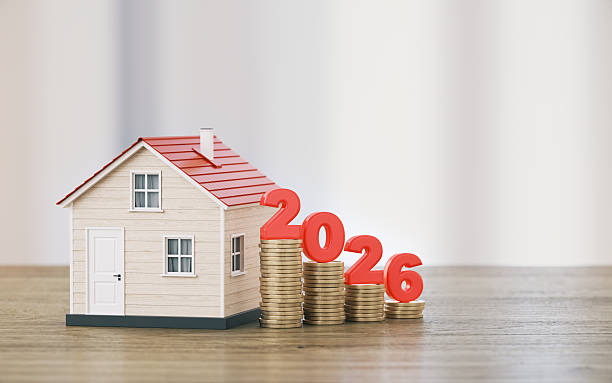
How Mortgage Interest Rates Are Expected to Affect Buyers
Mortgage rates are one of the biggest variables influencing the best time to buy a house in 2026. Though rates remain above the historic lows seen before 2020, they are expected to be more stable, and possibly slightly lower, as the year progresses. Analysts suggest rates could soften marginally in mid-to-late 2026 as inflation pressures decrease and economic growth steadies.
But don’t expect drastic swings. Most forecasters see rates hovering in a range where affordability is more reasonable than in recent peak years, yet still higher than what many buyers hoped for. This matters because even a small change in rate can affect monthly payments significantly, especially for first-time buyers or those stretching for a dream home.
Here’s what to focus on instead of waiting for a perfect rate drop:
- Locking a rate when you have a strong offer — even if rates slide later, refinancing remains an option.
- Watching points and lender credits — sometimes buying down the rate a little upfront can save thousands over the life of a loan.
- Preparing financially ahead of time — stronger credit and larger down payments can improve your mortgage options now and in the future.
Many experts even advise that timing the market perfectly is nearly impossible, so tying your decision to when you are ready and secure often beats waiting for speculation.
Home Price Trends and What They Mean for 2026 Purchases
Home prices aren’t expected to skyrocket in 2026, but they’re also not forecasted to plunge widely. Instead, the general trend is toward moderate, steady growth or plateauing in many areas. Research indicates that median prices tend to peak in summer and cool into fall and winter, which aligns with seasonal buying patterns that favor buyers.
What does this mean for a buyer?
- You’re less likely to overpay simply due to competition, especially outside early spring buying spikes.
- Focused markets (like high-growth tech regions or vacation destinations) may still see stronger price momentum.
- Balanced markets — where inventory grows and fewer buyers chase homes aggressively, often result in more negotiation room.
Think of 2026 as a buyer’s reset year. Prices aren’t stagnating out of weakness; they’re normalizing after abnormal spikes. This normalization gives you the time and space to evaluate homes more thoroughly rather than racing through offers.
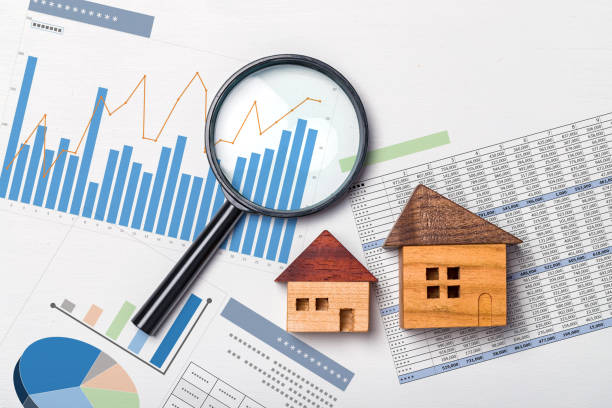
Seasonal Patterns That Influence Home Buying Timing
Seasonality still matters a great deal in real estate, even in 2026. Data consistently shows that the best seasonal opportunity to buy tends to fall between September and February
Here’s how the seasons break down in most U.S. markets:
- Spring (March–June): High inventory, high competition. This means more homes but also more bidding wars and faster demand.
- Summer (June–August): Inventory remains strong, but competition peaks, often pushing prices up.
- Fall (September–November): Inventory is still healthy, but buyer demand softens, which can lead to price cooling.
- Winter (December–February): Lowest activity overall, but higher negotiation power for buyers and often soft price trends.
Why does this happen? School calendars, weather, and lifestyle shifts pull many buyers into the market in spring and summer, but once fall arrives, urgency fades. Sellers who list late in the year are often motivated, and fewer competing bids can mean better deals.
Therefore, late fall through winter in 2026 may be the most opportune window for buyers to maximize value, especially if they’re prepared and pre-approved.
Housing Inventory Levels and Buyer Competition
A key indicator of the best time to buy a house is inventory, the number of homes available for sale. Markets with rising inventory tend to favor buyers because there’s more choice and less pressure to offer above asking price.
In 2026, inventory has shown signs of climbing in many U.S. regions. That doesn’t mean every town has oversupply, but overall conditions are less tight than the seller’s markets of recent years. This shift allows buyers to:
- Tour more homes before committing
- Compare comps and prices
- Negotiate contingencies like inspections
- Potentially secure repairs or credits from sellers
Homes are spending more days on the market in many cities compared to the low-inventory years, indicating buyers are no longer racing to close every listing. That’s an important advantage if you time your purchase when inventory is broadening and buyer demand has pulled back a bit.

Signs That Indicate a Favorable Time to Buy
Here are practical signs that you’re approaching a good buying window in 2026:
Longer Days on Market
When homes don’t sell immediately, sellers become more flexible.
Price Reductions Are More Frequent
This often indicates a shift toward negotiation.
Inventory Is Increasing
More listings mean less competition.
Mortgage Options and Lender Incentives Appear
Lenders often introduce credits or buydowns when demand softens.
Local Market Trends Favor Buyers
Regional conditions, job growth, supply influx, or economic stabilization, can outweigh national patterns.
If several of these conditions align, your chances of finding a favorable deal significantly increase.
Conclusion
Deciding when the best time to buy a house in 2026 is ultimately a blend of personal preparation, local market savvy, and solid financial foundation. While macro trends like interest rates and inventory help set the stage, your readiness, financially and strategically, is the final deciding factor.
To help you navigate these decisions confidently, Dwanderful, led by real estate investor and podcast host Dwan, offers education, tools, and insights designed for buyers and investors alike. Whether you’re stepping into the market for the first time or gearing up for your next property, Dwanderful provides practical guidance to help you act with certainty.
Dwan offers a free book called Real Estate Lingo to help you understand common terms and avoid confusion, plus a deeper paid guide titled Five Pillars of Real Estate Investing to strengthen your long-term strategy. For those ready to assess their potential, there’s even a quick quiz game (takes less than a minute) that maps out how you could generate six figures in the next six months, whether you’re making your first purchase or expanding your portfolio. Contact us now!

Frequently Asked Questions
Will interest rates go down in 2026?
Experts forecast marginal easing, not dramatic drops. Rates may stabilize or tick lower later in the year, but they’re unlikely to return to pre-pandemic lows.
Is a recession coming in 2026?
Most economic forecasts expect modest growth or stable conditions rather than deep recession, though local market variations will still occur.
What is the cheapest month to buy a house?
January and the winter months often show lower prices due to reduced competition.
Will mortgage rates ever get down to 3% again?
It’s possible long-term, but not expected to be the norm in 2026.
Is a 5-year ARM a good idea in 2026?
A 5-year adjustable rate mortgage can make sense if you plan to sell or refinance within that period — but it requires careful planning around future rate risk.