


Key Takeaways
- Most financed closings take 30 to 45 days from accepted offer to keys.
- Read your contract’s contingency deadlines first, because they define when you can exit the deal.
- Keep your finances steady until funding: no new debt, unexplained deposits, or job changes.
- Compare the Closing Disclosure to your Loan Estimate as soon as it arrives.
- Verify wire instructions by phone using a number you found independently.
- Budget roughly two to five percent of the purchase price for buyer closing costs.
The real estate closing process usually takes 30 to 45 days and includes the inspection, appraisal, title search, final walkthrough, and signing before you get the keys.
Closing day looks simple from the outside: sign some papers, collect the keys, and celebrate. Behind that single afternoon, though, sit several weeks of coordinated work between buyers, sellers, lenders, agents, inspectors, and title professionals.
Buyers who understand the sequence stay calmer, catch problems earlier, and avoid the expensive surprises that derail deals. This guide walks through each stage in order, explains what happens behind the scenes, and shares habits that keep a closing on schedule. Timelines and customs vary by state, so confirm the details with your agent and your closing attorney or escrow officer.
What “Closing” Actually Means
Closing is the final step of a property sale, when ownership legally transfers from the seller to the buyer. Money changes hands, the deed is recorded with the county, and the lender releases the loan funds. In some states an attorney leads the process; in others, a title company or escrow officer handles it. Either way, the goal is the same: confirm that the buyer receives a clean title and that every party is paid what they are owed. Learn more about title reports and how they help identify potential ownership issues.
The Step-by-Step Closing Timeline
Step 1: The Offer Is Accepted and Escrow Opens
The clock starts when the seller accepts your offer and both sides sign the purchase agreement. Within a few days you deposit earnest money, usually one to three percent of the price, into an escrow or trust account. That deposit shows you are serious, and it typically counts toward your down payment at closing. Read the contingency deadlines in your contract right away. They control when you can still walk away over inspection, financing, or appraisal issues, and missing one can cost you that protection.

Step 2: Home Inspection and Repair Negotiations
A licensed inspector usually examines the roof, foundation, plumbing, electrical system, and HVAC within the first week or two. Expect a report with dozens of items, most of them minor. The findings that matter are safety hazards, water intrusion, and aging systems near the end of their life. A common example: an inspector flags a twenty-year-old water heater and a small roof leak. You can then request repairs, ask for a credit toward closing costs, or renegotiate the price. Credits are often easier for sellers to accept than repairs, and they let you choose your own contractor.
Step 3: Mortgage Underwriting and the Appraisal
While inspections happen, your lender verifies your finances. An underwriter reviews your income, credit, assets, and debts, and will often request extra paperwork. Respond quickly, because delays here are the most common reason closings slip. The lender also orders an appraisal to confirm the home is worth at least the loan amount. If it appraises below the contract price, you have options: negotiate a lower price, bring extra cash to cover the gap, or use an appraisal contingency to exit the deal. During this stage, avoid opening new credit cards, financing a car, or changing jobs without talking to your loan officer first.
Step 4: Title Search and Title Insurance
A title company researches public records to confirm the seller truly owns the property and that no hidden claims exist. It looks for unpaid liens, unresolved judgments, boundary disputes, and errors in past deeds. If problems appear, they must be cleared before closing. Lenders require a lender’s title insurance policy, and buyers can purchase an owner’s policy that protects their own equity for as long as they hold the home. It is a one-time premium, and it covers losses from title defects that even a careful search missed.
Step 5: Homeowners Insurance and Final Loan Approval
Before funding a loan, the lender requires proof of homeowners insurance. Shop for quotes early, since coverage takes time to bind, and ask about flood or windstorm add-ons if the property sits in a higher-risk area. Once underwriting is satisfied, you receive a “clear to close,” which is the green light every buyer waits for. It means the lender has approved the loan and only the final paperwork and funds remain.
Step 6: Review the Closing Disclosure
Federal rules require lenders to deliver a Closing Disclosure at least three business days before you sign. This five-page document lists your final loan terms, monthly payment, and every closing cost. Compare it line by line with the Loan Estimate you received earlier. Watch for changes in the interest rate, lender fees, and prepaid items such as property taxes and insurance. If something looks off, ask questions immediately. Buyers who wait until the signing table often feel pressured to accept errors just to avoid delaying the deal.

Step 7: The Final Walkthrough
Within 24 to 48 hours of closing, you tour the property one last time. This is not a second inspection. It is your chance to confirm the home is in the agreed condition, repairs were completed, and nothing you purchased with the house has gone missing. Run the faucets, test the appliances, flip light switches, and open the garage door. If something is wrong, tell your agent before you sign. Fixing it afterward becomes far harder, and you may need a holdback agreement in which funds stay in escrow until the issue is resolved.
What Happens on Closing Day
Signing the Documents
Plan on one to two hours at the title office, attorney’s office, or through a remote notary. Bring a government-issued photo ID and a cashier’s check or proof of a wire transfer for your cash to close. Never wire money based on an emailed instruction alone. Wire fraud targets homebuyers every year, so call the title company at a phone number you verified independently. You will sign the promissory note, the mortgage or deed of trust, and the Closing Disclosure, among other forms. Ask what each document does. A good closing agent will happily explain.
Funding, Recording, and Getting the Keys
After signatures, the lender wires the loan funds, and the title company disburses payments to the seller, agents, and other parties. The deed is then recorded with the county, which makes the transfer official public record. In many states the keys change hands the same day, though some contracts specify a possession date a day or two later. Once recording is confirmed, the home is legally yours.
Understanding Closing Costs
What Buyers Typically Pay
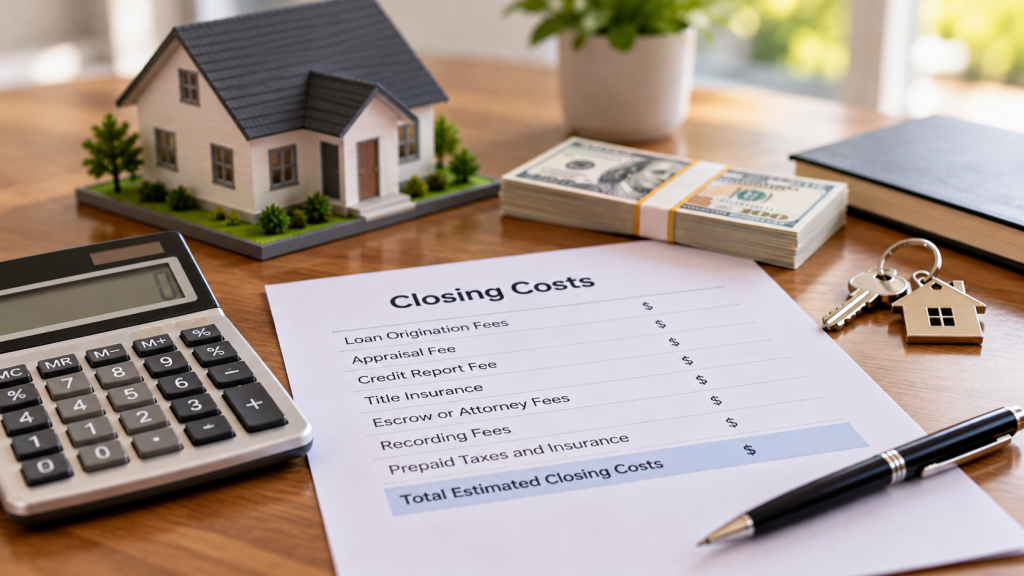
Buyers generally pay between two and five percent of the purchase price in closing costs, separate from the down payment. Common items include loan origination fees, appraisal and credit report charges, title insurance, escrow or attorney fees, recording fees, and prepaid taxes and insurance. On a $350,000 home, that could mean roughly $7,000 to $17,500. Some buyers negotiate seller concessions to offset part of that amount, and certain loan programs allow it more readily than others.
What Sellers Typically Pay
Sellers usually cover real estate agent commissions, any agreed repairs or credits, their remaining mortgage payoff, and prorated property taxes up to the closing date. In some markets they also pay transfer taxes or owner’s title policies. Because customs differ by region, ask your agent to show you a line-item estimate early rather than assuming.
Practical Tips for a Smooth Closing
Habits That Keep Deals on Track
Stay responsive. Lenders and title agents often need documents within 24 hours, and slow replies push closing dates back. Keep your finances steady: no large deposits without explanation, no new debt, and no job changes. Save every email and receipt. Lock your interest rate when your loan officer recommends it, and confirm the lock covers your expected closing date. Finally, schedule utilities, movers, and a change of address early so the move itself does not compete with paperwork for your attention.
Why Closings Get Delayed
The usual culprits are appraisal shortfalls, missing underwriting documents, title defects, and last-minute changes to a buyer’s credit. A less obvious one is a Closing Disclosure that changes materially, such as a new loan product or a significantly higher APR, which can restart the three-day review period. Build a small cushion into your plans. If you are selling a home and buying another, avoid scheduling movers or ending your lease on the exact closing day, since a one-day slip can leave you without housing.
Keep Learning with Dwanderful
Dwanderful is a real estate investing resource created by real estate investor and podcast host Dwan Bent-Twyford. Since understanding financing is an important part of investing, Dwan offers resources to help investors build their knowledge and make more informed decisions.
Her free Real Estate Lingo book explains essential real estate terms, while Five Pillars of Real Estate Investing provides practical knowledge and strategies for building a strong investing foundation. For investors interested in distressed properties, LEVEL 1: Complete Foreclosure Investors’ Choice Program teaches foreclosure investing strategies, while Foreclosure Fortunes helps investors identify foreclosure opportunities and avoid common pitfalls. The Fed Up Program focuses on helping homeowners in financial distress while creating opportunities for investors.
Dwan also offers How to Sell a House When It’s Worth Less Than the Mortgage, covering options such as short sales and subject-to strategies, and Short-Sale Pre-Foreclosure Investing, which explores buying properties through short-sale and pre-foreclosure opportunities.
If you’re still deciding on your next investment move, Dwanderful’s quiz game takes less than a minute and helps you discover how you could potentially generate six figures in the next six months, whether you’re buying your first property or your next. Contact us now!

Frequently Asked Questions
How long does the real estate closing process take?
Most financed purchases close 30 to 45 days after the offer is accepted. Cash deals can close in one to two weeks, while appraisal problems, underwriting delays, or title defects can push the date back.
What should I bring to closing?
Bring a government-issued photo ID, proof of your wire transfer or a cashier’s check for cash to close, and any documents your closing agent requested. Confirm the exact list a day or two beforehand.
Who attends the closing?
Usually the buyer, the closing attorney or escrow officer, and often the agents. Sellers frequently sign separately or remotely, and lenders rarely attend in person. Requirements vary by state and title company.
Can a buyer back out before closing?
Only under the conditions in the contract, such as inspection, financing, or appraisal contingencies. Backing out outside those protections can cost you your earnest money, so review your deadlines and talk to your agent or attorney first.
Can I close on a home remotely?
Often yes. Many title companies offer mobile or remote online notarization, though lenders and some counties have their own rules. Ask early, since it affects scheduling and document delivery.

Editorial Review by Dwan,
Real Estate Investor & Podcast Host
Dwan is America’s Most Sought After Real Estate Investor™ and The Queen of Short Sales™. She went from a single mom with no resources to building a successful real estate business through wholesaling, rehabbing, rentals, and commercial properties. Today, she teaches investors how to succeed without costly mistakes through her books, podcast, and training programs.
Learn More