

Key Takeaways
- Fixer-uppers are often found through the MLS, foreclosures, auctions, wholesalers, and direct mail to distressed sellers.
- Not every cheap house is a good deal; structural and electrical issues can quietly erase your profit margin.
- A proper inspection separates cosmetic fixes from expensive structural repairs before you offer.
- Renovation costs vary widely, so a contingency fund is non-negotiable.
- Financing ranges from FHA 203(k) loans to hard money and private lenders.
- A fixer-upper is only a good investment if the numbers work after repairs and holding costs.
To find fixer-upper homes, search the MLS for “as-is” listings, work with an investor-friendly agent, check foreclosure and auction sites, and network with wholesalers and local contractors.
If you’ve ever driven past a rundown house and wondered if it might be a hidden opportunity, you’re not alone. Learning how to find fixer upper homes is one of the first skills every real estate investor needs, and one of the most misunderstood. Most buyers assume the hard part is renovation. In reality, the hardest part is finding a property with enough upside to justify the work and few enough surprises to keep your budget intact.
Where Can You Find Fixer-Upper Homes for Sale?
The MLS Isn’t Just for Move-In-Ready Homes
Many buyers overlook the MLS, assuming distressed properties are hidden elsewhere. Plenty of “as-is” listings sit right on it. Saved searches using terms like “handyman special” or “needs TLC” can surface properties other buyers scroll past.
Foreclosures, Auctions, and Bank-Owned Properties
Foreclosure listings and bank-owned properties are classic sources of fixer-uppers, often priced below market because lenders want them off their books. These deals move fast and typically require cash or pre-arranged financing.
Wholesalers and Off-Market Networks
Wholesalers specialize in finding distressed properties and connecting them with investors before listings go public. Networking with wholesalers and contractors who see run-down homes firsthand can open doors public searches never will.
Direct Mail and Driving for Dollars
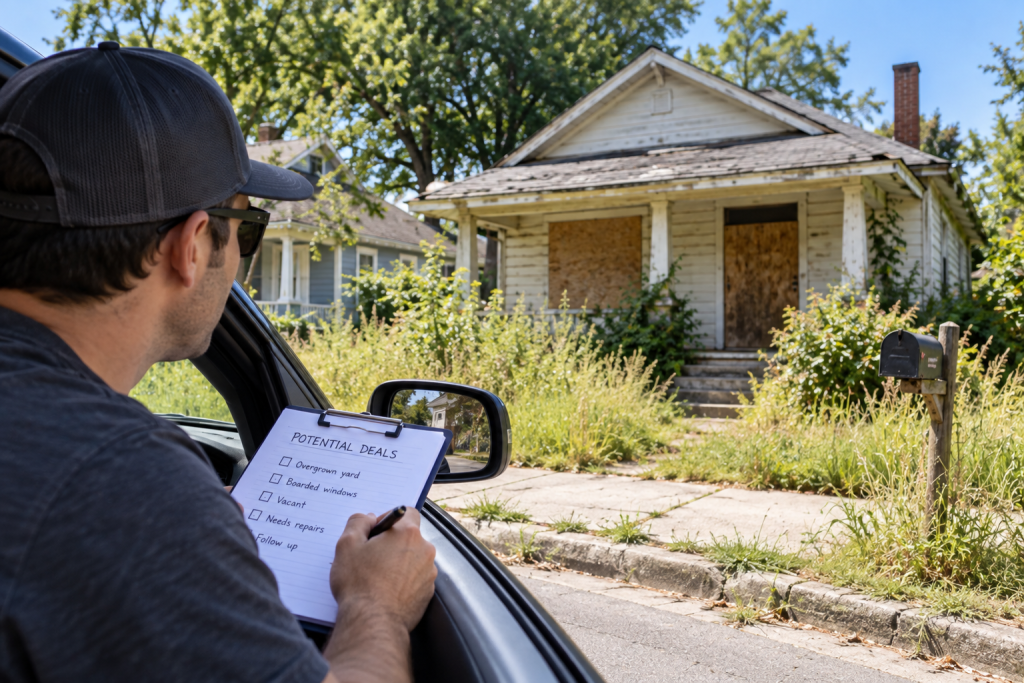
Some investors rely on direct mail to owners of vacant properties, or “driving for dollars,” scanning neighborhoods for overgrown yards or boarded windows. It takes legwork, but it often surfaces deals first.
How to Identify a Fixer-Upper Worth Buying
Location Still Comes First
A fixer-upper in a strong, in-demand neighborhood will almost always outperform a similar property in a declining area. Research the surrounding comps before falling for a project.
Cosmetic Problems vs. Structural Problems
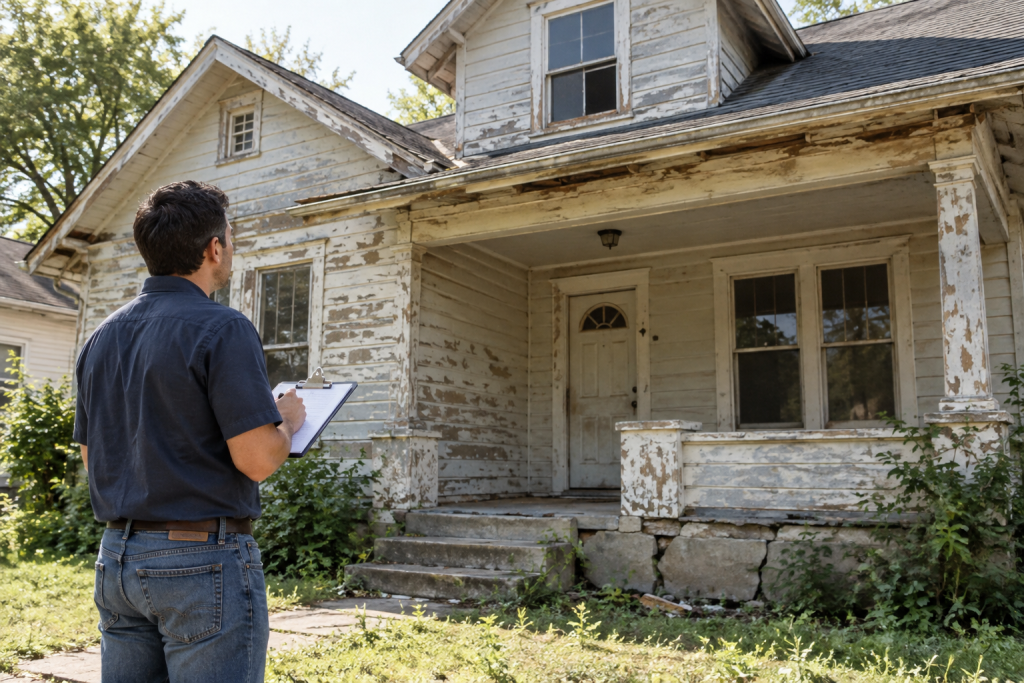
The best fixer-uppers need cosmetic updates, like flooring, paint, and fixtures, rather than structural repairs. Outdated finishes make for a better investment than foundation cracks, since cosmetic work is predictable and structural work rarely is.
Run the Numbers Before You Fall in Love
Every promising fixer-upper should pass a basic test: purchase price plus renovation and holding costs should leave enough room below the after-repair value (ARV) to be worthwhile. If the math doesn’t work on paper, it won’t work after closing.
What Should You Look for When Inspecting a Fixer-Upper?
Bring a Professional, Not Just Your Own Eyes
A full home inspection is essential, even for experienced buyers. Inspectors catch what most people miss, like aging wiring or a roof nearing the end of its life.
The Big-Ticket Items to Prioritize
- Foundation: cracks or uneven floors signal expensive issues.
- Roof: replacement can cost thousands; age and condition matter.
- Plumbing and electrical: outdated systems may not meet code.
- HVAC: an aging system adds a predictable expense.
Don’t Skip Pest and Environmental Checks
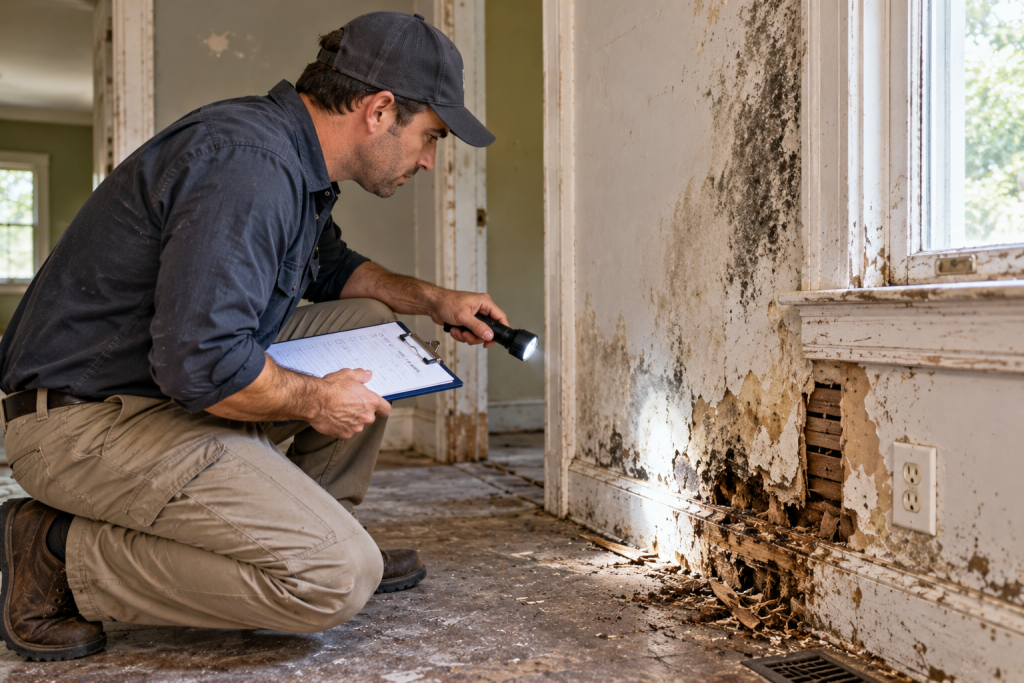
Termite damage, mold, and asbestos (common before the 1980s) can turn a manageable renovation into a far more expensive one. A pest inspection can save you from costly surprises later.
How Much Does It Cost to Buy and Renovate a Fixer-Upper?
Purchase Price Is Only Part of the Equation
Renovation costs vary by scope, local labor rates, and materials, so experienced investors budget them as a percentage of the after-repair value rather than guessing at a flat number.
Building In a Contingency Fund
Even a carefully planned renovation runs into surprises, whether hidden water damage or a permitting delay. Setting aside 15 to 20 percent of your budget as a contingency fund is one of the most important habits a buyer can develop.
Holding Costs Add Up Quickly
Beyond renovation costs, don’t forget taxes, insurance, utilities, and loan interest that accrue while the home is being worked on. These are easy to underestimate and can quietly shrink your margin.
How Can You Finance a Fixer-Upper?
FHA 203(k) and Conventional Renovation Loans
FHA 203(k) loans let buyers roll purchase and renovation costs into one mortgage, a good fit for owner-occupants tackling moderate repairs. Conventional renovation loans work similarly for buyers with stronger credit.
Hard Money and Private Lending
Investors moving quickly on foreclosure or auction properties often turn to hard money loans, which close faster but carry higher rates. Private lenders can offer more flexible terms for the right relationship.
Cash-Out Refinancing and Home Equity
Buyers who already own property sometimes use a cash-out refinance or home equity line of credit, tapping existing equity instead of taking on a new loan.

How Do You Know If a Fixer-Upper Is a Good Investment?
The 70% Rule as a Starting Point
Many investors use the “70% rule”: don’t pay more than 70% of the after-repair value, minus renovation costs. It’s not perfect for every market, but it forces discipline into the numbers.
Factor In Your Exit Strategy
Whether you plan to flip, rent, or live in the property changes what “good investment” means. A property that works as a rental might not pencil out as a quick flip, so clarifying your exit strategy early shapes every other decision.
A Repeatable Skill, Not a Lucky Break
Buyers who succeed with fixer-uppers rarely get lucky once; they build a repeatable process for finding, evaluating, and walking away from deals that don’t pencil out.
Find the Right Fixer-Upper With Confidence
Finding a fixer-upper that makes sense financially takes more than luck; it takes the right knowledge, the right numbers, and a clear strategy. Dwanderful is a real estate investing resource created by real estate investor and podcast host Dwan Bent-Twyford. Since understanding financing is an important part of investing, Dwan offers resources to help investors build their knowledge and make more informed decisions.
Her free Real Estate Lingo book explains essential real estate terms, while Five Pillars of Real Estate Investing provides practical strategies for building a strong investing foundation. For investors interested in distressed properties, LEVEL 1: Complete Foreclosure Investors’ Choice Program teaches foreclosure investing strategies, while Foreclosure Fortunes helps investors identify opportunities and avoid common pitfalls. The Fed Up Program focuses on helping homeowners in financial distress while creating opportunities for investors.
Dwan also offers How to Sell a House When It’s Worth Less Than the Mortgage, covering short sales and subject-to strategies, and Short-Sale Pre-Foreclosure Investing, which explores buying through short-sale and pre-foreclosure opportunities.
If you’re still deciding on your next move, Dwanderful’s quiz game takes less than a minute and helps you discover how you could potentially generate six figures in the next six months, whether it’s your first property or your next. Contact us now!

Frequently Asked Questions
How much money should I have saved before buying a fixer-upper?
Beyond your down payment, plan for renovation costs, a 15 to 20 percent contingency fund, and a few months of holding costs like taxes and insurance.
Can I buy a fixer-upper with a low down payment?
Yes, in some cases. FHA 203(k) loans let buyers finance the purchase and renovation with a lower down payment than many conventional investment loans require, though eligibility depends on the property and your finances.
How do I know if a fixer-upper has too many problems?
If a home needs multiple major systems replaced at once, like the roof, foundation, and electrical, the combined cost may outweigh the upside. A professional inspection helps you spot “money pit” territory.
Should I buy a fixer-upper that is being sold “as-is”?
An “as-is” listing means the seller won’t make repairs before closing; it doesn’t mean skipping due diligence. Always get a full inspection and factor known issues into your offer.
How long does it usually take to renovate a fixer-upper?
Timelines vary widely by scope, but light cosmetic work might take a few weeks, while structural repairs can take several months. Building in extra time helps you avoid rushed decisions.

Editorial Review by Dwan,
Real Estate Investor & Podcast Host
Dwan is America’s Most Sought After Real Estate Investor™ and The Queen of Short Sales™. She went from a single mom with no resources to building a successful real estate business through wholesaling, rehabbing, rentals, and commercial properties. Today, she teaches investors how to succeed without costly mistakes through her books, podcast, and training programs.
Learn More