


Starting real estate investing while working a full-time job might feel challenging at first, but it’s actually one of the most practical and low-risk ways to begin building wealth. Many successful investors didn’t quit their jobs right away—they used their steady income as a foundation to grow their portfolios gradually. When you have a reliable paycheck, you can take calculated risks without putting yourself under financial pressure.
In fact, keeping your job during the early stages of investing can give you a significant advantage. It allows you to qualify for better financing, maintain consistent savings, and make smarter decisions instead of rushing into deals. Rather than seeing your job as a limitation, you can treat it as a powerful tool that supports your journey into real estate.
Set Clear Investment Goals

Before diving into real estate, it’s important to have a clear understanding of what you want to achieve. Some people invest for passive income, while others focus on long-term appreciation or building a large property portfolio. Without a defined goal, it’s easy to get distracted or invest in properties that don’t align with your financial vision.
Take some time to think about your priorities and how real estate fits into your lifestyle. Since you’re working a job, your time will be limited, so your goals should reflect that reality. Whether you want to replace your income eventually or simply generate additional cash flow, clarity will help you choose the right strategy and stay consistent.
Start With the Right Knowledge
You don’t need to become an expert overnight, but having a basic understanding of real estate fundamentals is essential. Learning about property types, financing options, and how to evaluate deals will help you avoid common beginner mistakes. The key is to focus on practical knowledge that you can actually apply rather than consuming endless information.
At the same time, it’s important not to fall into the trap of overthinking. Many aspiring investors spend months learning but never take action because they feel unprepared. Instead, aim to learn just enough to get started and improve your knowledge as you gain real-world experience. You can also explore guides like real estate investment tips for beginners to strengthen your foundation.
Choose a Strategy That Fits Your Schedule
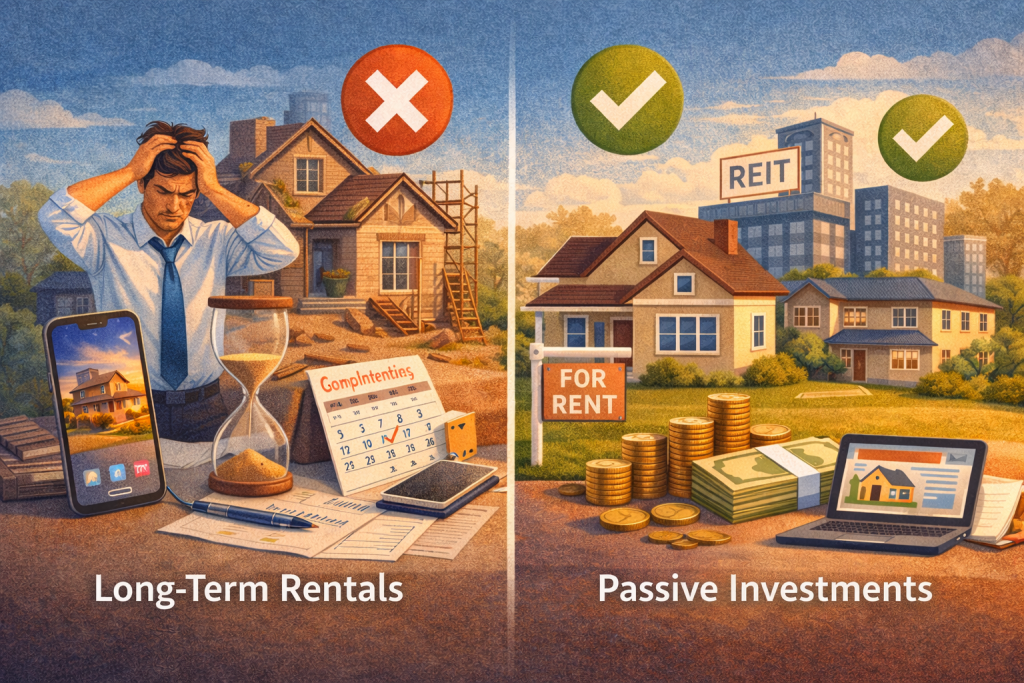
Since you’re balancing a full-time job, your investment strategy should be realistic and manageable. Some approaches, like flipping houses or managing short-term rentals, can demand a lot of time and attention, which may not be ideal when you already have work commitments. Choosing the wrong strategy can quickly lead to burnout.
A better approach is to focus on strategies that require less day-to-day involvement. Long-term rental properties, turnkey investments, or even passive options can help you build wealth without overwhelming your schedule. If you’re unsure where to begin, learning about different real estate investment strategies can help you choose the right approach.
Build Your Investment Fund
Real estate investing is unique because you don’t always need to pay the full cost of a property upfront. Financing options like mortgages allow you to leverage your investment and grow your portfolio faster. This is where having a stable job becomes especially valuable, as lenders are more likely to approve loans for individuals with consistent income.
Understanding different financing options can open up more opportunities than you might expect. From traditional home loans to creative strategies like partnerships or seller financing, there are multiple ways to enter the market. You can also explore creative financing in real estate to discover alternative ways to fund your investments.
Start Small and Scale Gradually
When you’re just starting out, it’s tempting to aim big and try to build a large portfolio quickly. However, the smartest approach is to begin with a small, manageable investment. This allows you to learn the process, understand the market, and gain confidence without taking on too much risk.
As you become more comfortable and experienced, you can gradually scale your investments. Each property you acquire will teach you valuable lessons and bring you closer to your financial goals. Over time, these small steps can lead to significant growth and long-term wealth.
Manage Your Time Effectively
Balancing a full-time job and real estate investing requires strong time management skills. Since your weekdays may already be busy, it’s important to make the most of your available time. Many investors use evenings or weekends to research properties, connect with agents, and analyze deals.
You can also simplify your workload by building a reliable team. Working with property managers, real estate agents, and contractors can help you handle day-to-day responsibilities more efficiently. This allows you to stay focused on growing your investments without feeling overwhelmed.
Final Thoughts
Starting real estate investing while working a job is not only possible—it’s often the smartest way to begin. Your job provides the financial stability and security you need to make informed decisions and build your portfolio step by step. With patience and consistency, you can create a strong foundation for long-term success.
The key is to take action while staying realistic about your time and resources. By setting clear goals, choosing the right strategy, and managing your finances wisely, you can successfully enter the world of real estate investing without leaving your job. Over time, your investments can grow into a powerful source of income and financial freedom.
Frequently Asked Questions
1. Can I start real estate investing while working full-time?
Yes, many investors start part-time using their job income for stability and funding.
2. How much money do I need to start real estate investing?
You can start with relatively low capital using financing options or partnerships.
3. What is the best strategy for beginners with a job?
Buy-and-hold rental properties or turnkey investments are the most manageable options.
4. How do I find time for real estate investing with a busy schedule?
You can use evenings, weekends, and outsource tasks to professionals when needed.
5. Is real estate investing risky for beginners?
It can be, but starting small and doing proper research helps reduce risks significantly.