


Buying a house in 2026 means asking the right questions about affordability, location, property condition, and long-term costs. Knowing the right questions to ask before buying helps you avoid costly surprises and make confident, informed homeownership decisions.
Why Asking the Right Questions Before Buying a House Matters
Buying a home is not just a transaction, it’s a long-term commitment that affects your finances, lifestyle, and future flexibility. In 2026, the housing market continues to evolve, shaped by interest rate adjustments, stricter lending practices, rising insurance premiums, and shifting buyer demand. That makes preparation more important than ever.
Many buyers rush into decisions driven by emotions, urgency, or fear of missing out. They focus on price and appearance while overlooking deeper issues that surface only after closing. Asking thoughtful, strategic questions helps you slow down, evaluate risks, and see the full picture before committing.
The right questions reveal hidden costs, uncover potential red flags, and help you compare homes objectively. They also empower you during negotiations, giving you clarity and leverage. Whether you’re purchasing your first home or adding another property, knowing the essential questions to ask when buying a house puts you in control of the process.
30 Important Questions Every Buyer Should Ask Before Purchasing
1. Can I truly afford this home beyond the monthly mortgage?
A mortgage payment is only one part of homeownership. Buyers should account for property taxes, homeowners insurance, utilities, routine maintenance, and unexpected repairs. Understanding the full monthly and annual cost prevents financial strain after moving in.

2. What mortgage option best fits my financial situation?
Different loan types come with different risks and benefits. Fixed-rate mortgages offer stability, while adjustable-rate loans may start lower but change over time. Knowing which structure aligns with your income and long-term plans is critical.
3. How stable is my income over the next few years?
Buying a home assumes consistent cash flow. If your income is commission-based, seasonal, or tied to a volatile industry, it’s important to assess how comfortable the payment would be during slower periods.
4. How much money will I need upfront?
Beyond the down payment, buyers should budget for closing costs, inspections, appraisals, and moving expenses. Having clarity upfront helps avoid last-minute financial stress or draining emergency savings.
5. How does my credit score affect this purchase?
Your credit score directly influences interest rates and loan approval. Even a small difference in rate can translate to thousands of dollars over the life of the loan, making credit readiness an essential consideration.
6. Does this neighborhood fit my lifestyle now and in the future?
Think about commute times, nearby amenities, noise levels, and community growth. A home may be perfect today but feel limiting if your lifestyle changes in a few years.

7. Are home values in this area appreciating?
Looking at local market trends helps determine long-term value. Steady appreciation can build equity, while stagnant or declining areas may limit future resale options.
8. How long has this property been on the market?
A longer listing period may signal pricing issues, condition concerns, or reduced demand. Understanding why a home hasn’t sold quickly can guide negotiation strategy.
9. Why is the seller selling the home?
Seller motivation matters. Relocation or downsizing often differs from selling due to unresolved property issues or financial pressure.
10. Are there recent comparable sales nearby?
Comparable sales provide context for the asking price. They help buyers determine whether a home is fairly priced based on size, condition, and location.
11. What condition are the roof, foundation, and major systems?
These components are expensive to repair or replace. Knowing their age and maintenance history helps anticipate future costs and avoid surprises after closing.
12. Has the property experienced past damage or insurance claims?
Previous issues don’t always mean ongoing problems, but transparency is key. Buyers should understand what was repaired and whether warranties or documentation exist.
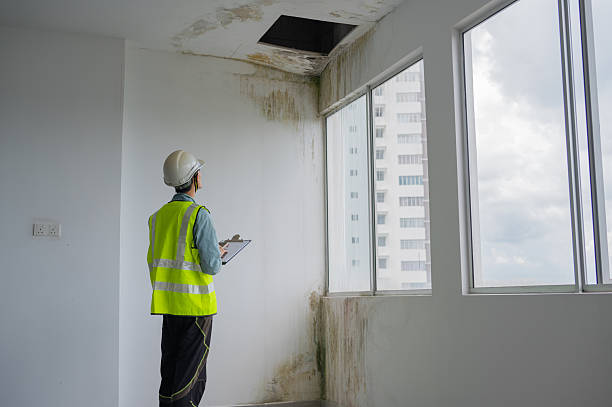
13. Are there environmental or safety risks associated with the property?
Flood zones, wildfire risks, radon exposure, or outdated wiring can increase insurance costs and affect livability. These risks should be evaluated early in the process.
14. What inspections should I schedule beyond a general inspection?
Depending on the home, additional inspections may be necessary for plumbing, sewer lines, pests, or structural integrity. These provide deeper insight into hidden issues.
15. Are there homeowners association rules or fees?
HOAs can affect monthly budgets and lifestyle choices. Buyers should review rules carefully to ensure they align with how they plan to use the property.
16. How have property taxes changed in recent years?
Tax increases can significantly impact affordability over time. Reviewing tax history provides insight into future payment expectations.
17. How competitive is the current local market?
Understanding whether you’re in a buyer’s or seller’s market helps set realistic expectations for pricing, contingencies, and negotiation leverage.
18. What contingencies should be included in my offer?
Contingencies protect buyers if financing falls through or inspections reveal major issues. Waiving them without careful consideration increases risk.

19. Is the seller open to repairs or closing credits?
Negotiations aren’t limited to price alone. Credits or repairs can reduce upfront expenses and make a deal more financially comfortable.
20. What utilities and services are available at the property?
Reliable internet, water sources, sewage systems, and waste services affect daily living. These details are often overlooked but matter long term.
21. How much should I budget annually for maintenance?
Homes require ongoing upkeep. Setting realistic maintenance expectations helps protect the property’s value and prevents deferred repairs.
22. Will this home still work for me in five years?
Consider future needs such as family growth, remote work, or mobility changes. Buying with flexibility in mind reduces the likelihood of an early move.
23. How easy would it be to resell this home?
Location, layout, and neighborhood demand influence resale value. Even if resale feels far away, it should always be part of the decision.
24. Are there zoning or land-use restrictions?
Zoning laws can limit renovations, additions, or rental opportunities. Buyers should confirm the property supports their long-term plans.

25. What insurance coverage will this home require?
Some locations require additional insurance for floods, earthquakes, or wind damage. These policies can substantially increase ownership costs.
26. Is the asking price justified by the home’s condition?
A lower price doesn’t always mean better value. Repair costs can quickly outweigh initial savings.
27. What concessions can I reasonably request?
Buyers may negotiate for closing cost assistance, repairs, or price adjustments based on inspection results and market conditions.
28. How long do I realistically plan to stay in this home?
Short-term ownership may reduce financial benefits due to transaction costs. Length of stay should align with your financial goals.
29. Who should be part of my home-buying team?
A knowledgeable agent, lender, and inspector provide guidance and protection throughout the process. The right team minimizes costly mistakes.
30. Am I buying from confidence or pressure?
Fear of missing out can lead to rushed decisions. A successful purchase is based on preparation, clarity, and readiness, not urgency.

Conclusion
Asking the right questions to ask when buying a house in 2026 is the difference between reacting emotionally and deciding strategically. A thoughtful buyer looks beyond aesthetics and price, evaluating affordability, long-term value, and personal readiness before moving forward.3
For buyers and investors seeking deeper guidance, Dwanderful offers education and insight rooted in real-world experience. Founded by Dwan, a real estate investor and podcast host, the platform focuses on helping people understand property decisions beyond the surface level.
Dwanderful provides a free book, Real Estate Lingo, designed to break down industry terminology so buyers can navigate conversations with confidence. For those ready to advance further, the paid guide Five Pillars of Real Estate Investing outlines the foundational principles behind sustainable wealth through property.
Visitors can also explore Dwanderful’s interactive quiz game to discover how they could generate six figures in the next six months, whether buying their first property or their next. It takes less than a minute and offers practical insight into what’s possible with the right strategy. Contact us now!
Frequently Asked Questions
Is now actually a good time to buy a house, or should I wait?
The best time to buy depends on personal readiness rather than market headlines. If your finances are stable and the home meets your long-term needs, timing matters less than preparation.
What happens if I regret my home purchase after closing?
Buyer’s remorse is common. While contracts are final, refinancing, resale planning, or strategic improvements can restore confidence and value.
How much money should I realistically have left after buying a home?
Ideally, buyers should retain three to six months of living expenses plus a maintenance reserve for unexpected repairs.
What’s the biggest mistake buyers make that they don’t realize until it’s too late?
Many underestimate long-term ownership costs, focusing only on purchase price instead of total financial impact.
Can I trust online home value estimates when making a decision?
Online tools provide rough estimates, but professional appraisals and local market insights are far more reliable.